











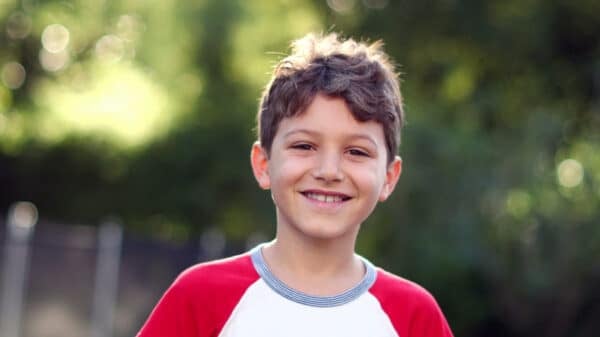




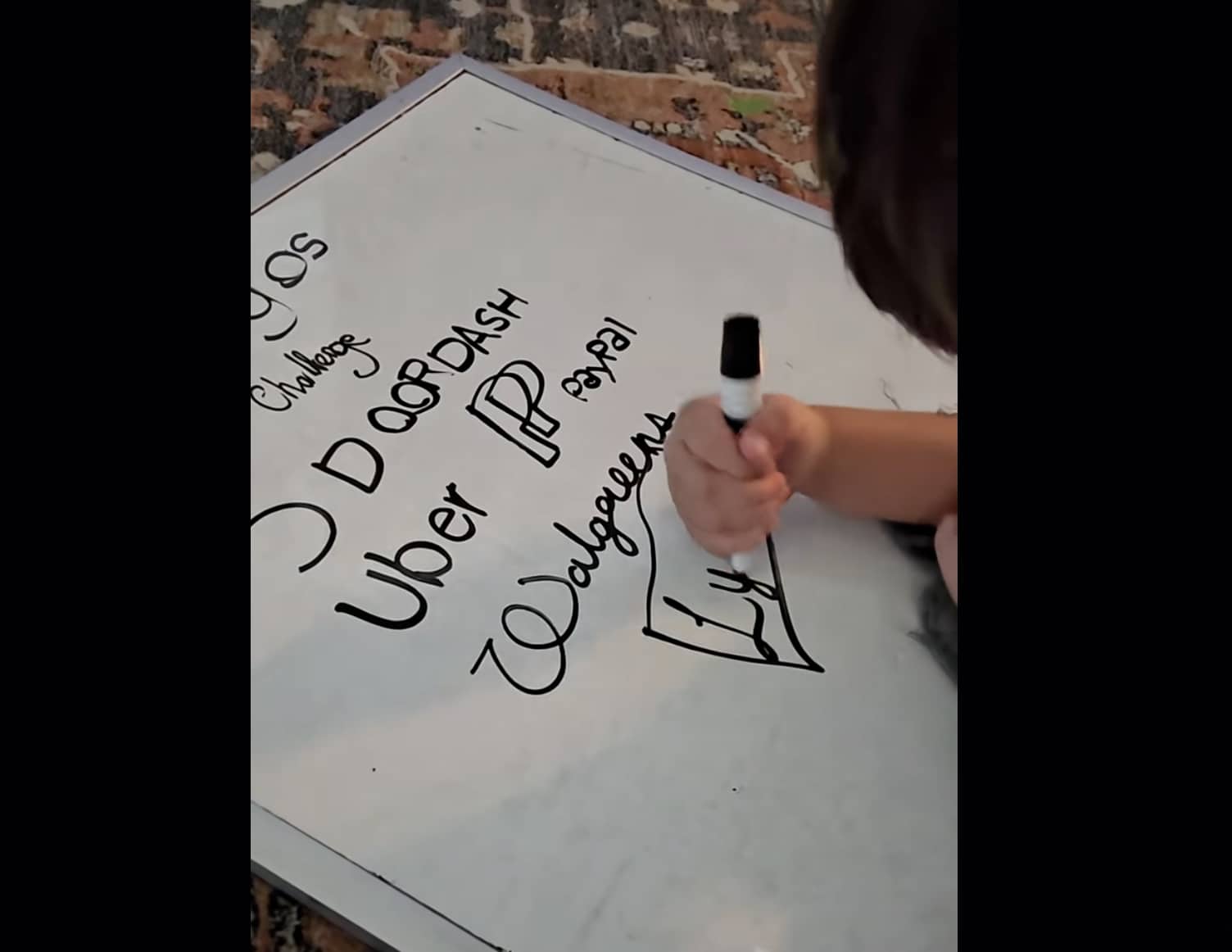
When a nine-year-old named Dylan picked up a marker and began drawing on camera, the world wasn’t just watching a child doodle; they were witnessing a masterclass in focus and memory. Within days, his TikTok videos garnered over 14 million views, leaving audiences mesmerized as he recreated intricate corporate logos and detailed illustrations from memory. While the digital world scrambled to analyze his technique, his parents offered a refreshing, grounded perspective: he simply does it because he loves it.
Celebrating Individual Expression Over Labels
The viral response to Dylan’s work quickly sparked a conversation about neurodiversity. Many viewers pointed to his uncanny ability to recall the specific typography of brands like Walgreens or the unique spacing in the Sony logo as a “superpower,” often associated with the focused interests found in neurodiverse children. While these observations highlight the incredible strengths that can come with different ways of thinking, Dylan’s story offers a deeper lesson in parenting.
Rather than leaning into clinical labels or diagnostic categories, his parents choose to focus on his joy. For parents, this is a vital takeaway: while understanding a child’s neurological makeup is important for support, it shouldn’t overshadow their humanity. When we celebrate a child’s passion as an expression of who they are—rather than a symptom or a “gift” to be exploited—we give them the room to grow without the weight of expectation.
Understanding Development Beyond the “Standard” Pen Grip
As is common with viral content, Dylan’s videos also invited a fair share of “armchair experts” commenting on his unconventional pen grip. In the world of child development, there is often a push for children to meet specific milestones in a specific way—the “tripod grip” being the gold standard for handwriting. However, Dylan’s success is a testament to the fact that “functional” is often more important than “traditional.”
Occupational therapy insights suggest that as long as a child can complete a task effectively without pain or extreme fatigue, the specific mechanics of how they hold a tool matter less than the output. When parents obsess over correcting minor physical quirks, they risk stifling the creative flow. Dylan’s art proves that the brain-to-hand connection is a complex, individual journey. Sometimes, the best thing a parent can do is stay out of the way of a child’s natural rhythm.
How to Nurture Your Child’s Passion Without the Pressure
In an era of “kidfluencers” and competitive parenting, there is an immense temptation to turn every childhood hobby into a “talent” or a potential career. Experts in autonomy-supportive parenting suggest a different path—one that prioritizes the child’s internal motivation over external rewards.
To support a child’s intense interests effectively, consider these strategies:
- Follow their lead: Provide the tools they need—whether it’s high-quality paper, specialized kits, or books on the subject—without demanding a finished product.
- Focus on the process, not the praise: Instead of saying “You’re so talented,” try “I love how much focus you put into those details.” This shifts the value from an innate trait to their effort and enjoyment.
- Protect their “play” space: Ensure that their hobby remains theirs. Avoid the urge to monetize their skills or turn their relaxation time into a performance for others.
The Takeaway for Modern Parents
Dylan’s viral moment is certainly a celebration of a unique skill, but for parents, the real “magic” isn’t in the drawings—it’s in the autonomy he’s been given to create them. Whether a child is memorizing every dinosaur species, humming complex melodies, or drawing logos with a non-traditional grip, these “quirks” are often the seeds of their future identity.
The ultimate goal of parenting isn’t to produce a prodigy or a child who follows every developmental rule to the letter. It is to provide a safe, supportive environment where a child feels free to explore their world. When we stop trying to “correct” the way a child holds their pen and start looking at what they are actually creating, we foster a sense of confidence that lasts far longer than any viral trend. Supporting a child’s passion means being their biggest fan, not their most persistent critic.