




















While many of us focus heavily on nutrition and exercise, the impact of light on our biological health is often underestimated. Light is more than just a way to see our surroundings; it is a primary signal that tells our bodies how to function. From regulating our sleep cycles to influencing hormone production, managing our light environment is one of the most effective, yet simple, ways to improve overall wellness. Incorporating healthy light habits shouldn’t replace foundations like hydration and stress management, but rather serve as a catalyst that makes all other healthy habits more effective.
Understanding the Vital Role of Natural Sunlight
Full-spectrum sunlight is one of nature’s most potent healing tools. When our skin and eyes are exposed to natural light, it triggers the synthesis of Vitamin D, a critical hormone-like vitamin that supports immune function, bone density, and mood stability. Sunlight also plays a significant role in balancing the endocrine system, yet modern lifestyles have largely moved indoors.
The average person now spends the vast majority of their day under artificial, flickering lights. This shift is particularly evident in younger generations, with reports suggesting that some children spend less than ten minutes outdoors daily. For adults, the statistics are equally concerning, with a significant portion of the population spending less than 15 minutes in natural light each day. Reclaiming time outdoors at various points throughout the day is essential for long-term vitality.
The Biological Advantage of Early Morning Sun
Early morning light provides specific benefits that differ from midday sun. At sunrise, the light spectrum is rich in red and infrared wavelengths, which are soothing to the body and help prime the skin for the stronger UV rays later in the day. Witnessing the sunrise—even if you feel low on energy—can help reset your internal clock, balance cortisol levels, and improve your mood for the hours ahead. Making morning light a non-negotiable part of a daily routine can be a transformative step for those recovering from burnout or hormonal imbalances.
Aligning Circadian Rhythms and Cortisol Patterns
Our bodies operate on a 24-hour internal clock known as the circadian rhythm. This system dictates everything from when we feel hungry to when we feel sleepy. Light is the primary “zeitgeber,” or time-giver, for this clock. Exposure to natural light at dawn and dusk helps align our biology with the environment.
Cortisol, often called the stress hormone, is supposed to peak in the morning to give us energy and taper off in the evening to allow for rest. However, exposure to artificial blue light at night or a lack of sunlight during the day can disrupt this rhythm. By using light strategically, we can support healthy cortisol patterns and improve our overall stress resilience.
A Balanced Approach to Sun Exposure and Protection
While protecting the skin from burns and long-term damage is vital, complete avoidance of the sun may be counterproductive. The goal is to build a “solar callus” through gradual, safe exposure rather than relying solely on chemical blockers. When sun protection is necessary, choosing mineral-based or healthy alternatives can prevent skin damage without blocking the beneficial aspects of sunlight entirely. Sunbathing safely allows the body to maximize the therapeutic benefits of the sun while maintaining skin integrity.
The Therapeutic Potential of Red Light Therapy
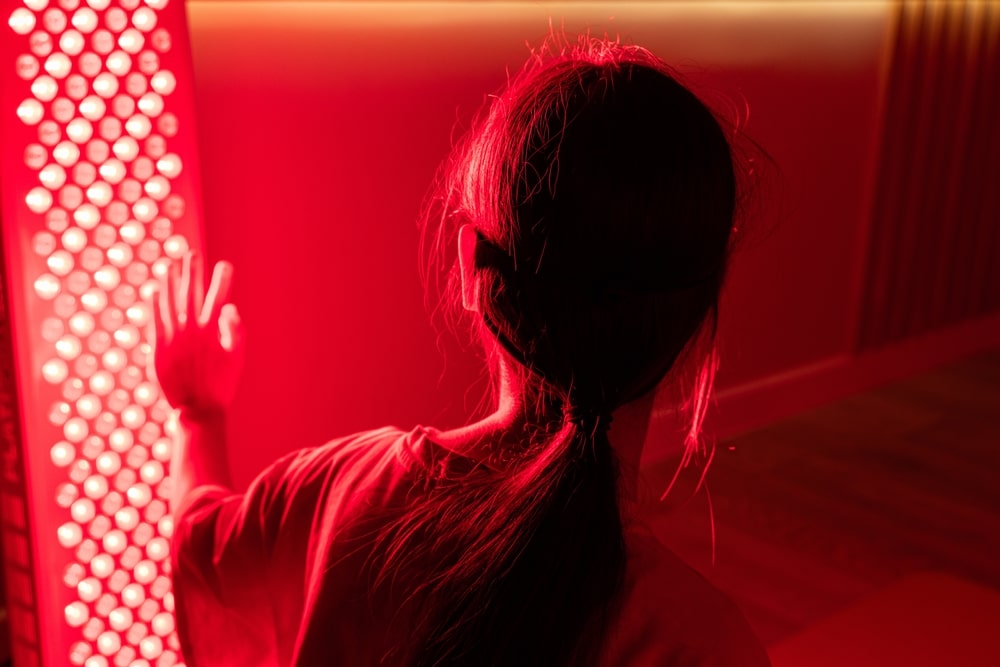
Red light therapy is a concentrated way to harness the specific wavelengths found during sunrise and sunset. While natural sunlight is the best free source, targeted red light devices—such as panels, masks, or even specialized tools for oral health—can provide additional support. This type of therapy is often used to support cellular energy, promote skin health, and assist in the body’s natural recovery processes. Integrating these tools can be a helpful supplement to natural sun exposure.
Optimizing Indoor Lighting for a Healthier Home
Most modern indoor environments are filled with “junk light”—specifically LED bulbs that flicker at frequencies invisible to the eye but detectable by the brain. This constant flickering can strain the nervous system and lead to fatigue. Furthermore, the high blue light content in standard overhead lighting and digital screens signals the brain that it is midday, even when it is time to sleep. This suppresses melatonin production and interferes with deep, restorative rest. Swapping out harsh bulbs for warmer tones and limiting screen use after dark are simple ways to protect your family’s sleep quality.
Expert Insights on Light, Mitochondria, and Longevity
The connection between light and health extends deep into our cellular biology. Leading experts have highlighted how specific light wavelengths influence the mitochondria—the powerhouses of our cells—and even our DNA. Research suggests that optimizing light exposure is not just about sleep; it is linked to metabolic health, fertility, leptin sensitivity, and mitochondrial function. Understanding the nuances of how light heals or damages our hormones allows us to transform our environment from a source of stress into a powerful tool for longevity.
Final Takeaways on Light as a Wellness Pillar
Incorporating intentional light exposure into your life is a low-cost, high-impact strategy for better health. By prioritizing morning sunlight, reducing artificial blue light exposure in the evenings, and being mindful of the lighting in your home, you can better align your body with its natural rhythms. Whether you are looking to balance your hormones, improve your sleep, or boost your energy, the light you surround yourself with plays a fundamental role in your success.