




















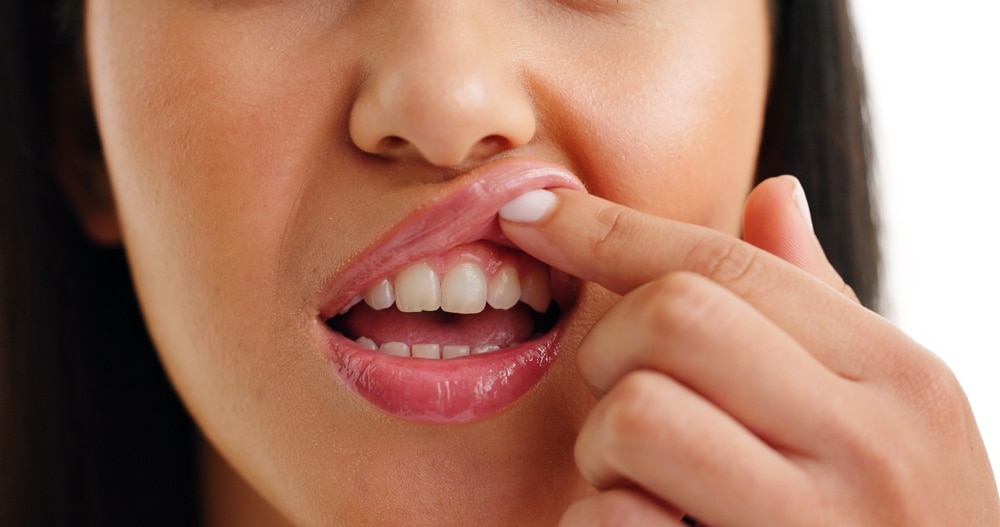
Achieving a vibrant, healthy smile requires much more than a quick brush before bed. For many, oral health issues develop quietly, affecting not only the teeth but overall physical well-being. From common cavities to more complex gum conditions, dental problems can quickly worsen if they aren’t addressed with professional care. Understanding these conditions is the first step toward maintaining a lifelong healthy smile for yourself and your family.
In this comprehensive overview, we will look at the most frequent dental ailments, their primary triggers, recognizable symptoms, and the modern clinical approaches used to treat them.
Understanding Common Dental Health Conditions
Dental diseases are conditions that impair the structure or function of your teeth. This includes damage to the protective enamel, the sensitive dentin, the internal pulp, and the surrounding gum tissues. These issues can range from minor surface stains to deep-seated infections that may require surgical intervention.
Most oral health challenges stem from a combination of hygiene habits, dietary choices, genetic factors, and underlying medical states. Fortunately, when identified in their early stages, the majority of these problems can be resolved through minimally invasive treatments.
1. Dental Caries (Tooth Decay)
Primary Causes:
Tooth decay remains the most widespread dental issue globally. It occurs when oral bacteria consume sugars and starches from food, producing acids that slowly dissolve the tooth’s protective enamel layer.
Key Symptoms:
- Increased sensitivity to temperature or sweets
- Visible pits, holes, or dark spots on the tooth surface
- Localized toothaches or sharp pain
- Noticeable staining or discoloration
Modern Treatments:
- Professional fluoride applications for early-stage enamel repair
- Composite fillings to restore cavity-damaged areas
- Root canal therapy for infections reaching the nerve
- Custom crowns for teeth with significant structural loss
2. Periodontal Disease (Gum Issues)
Primary Causes:
Gum disease is an inflammatory condition affecting the tissues that anchor your teeth. It typically begins as gingivitis (inflammation of the gums) and can progress to periodontitis, which can lead to bone and tooth loss.
Key Symptoms:
- Gums that appear red, swollen, or bleed during flossing
- Chronic halitosis (bad breath) that persists after brushing
- Receding gum lines that make teeth look longer
- Feeling that teeth are loose or shifting
Modern Treatments:
- Deep professional cleanings to remove plaque buildup
- Scaling and root planing to smooth tooth roots and encourage healing
- Diagnostic assessments using periodontal probes to monitor tissue health
- Surgical procedures for advanced tissue restoration
3. Managing Tooth Sensitivity
Primary Causes:
Sensitivity typically arises when the enamel thins or the gums recede, leaving the underlying dentin and its microscopic tubules exposed to external stimuli.
Key Symptoms:
- Sharp, sudden discomfort when consuming hot, cold, or acidic items
- Tenderness or pain during routine brushing or flossing
Modern Treatments:
- Use of specialized desensitizing toothpastes
- In-office fluoride gel or varnish applications
- Application of dental sealants to protect exposed areas
- Gum grafting to cover exposed and sensitive roots
4. Fractured or Chipped Teeth
Primary Causes:
Structural damage often occurs due to accidental injury, chronic teeth grinding, or biting down on exceptionally hard substances.
Key Symptoms:
- Intermittent pain while chewing or biting
- Sensitivity to extreme temperatures
- Visibly jagged edges or cracks in the tooth structure
Modern Treatments:
- Dental bonding or the placement of a crown
- Root canal treatment if the fracture impacts the internal pulp
- Extraction as a last resort for non-restorable fractures
5. Enamel Erosion
Primary Causes:
This occurs when acids—often from carbonated drinks, citrus fruits, or health conditions like acid reflux—chemically wear away the tooth’s surface.
Key Symptoms:
- Generalized sensitivity
- A yellowish appearance as the dentin shows through
- Teeth that appear rounded or transparent at the edges
Modern Treatments:
- Strengthening the surface with professional fluoride
- Cosmetic veneers or crowns to restore the tooth’s shape
- Dietary modifications to reduce acid exposure
6. Dental Abscesses
Primary Causes:
An abscess is a localized collection of pus resulting from a bacterial infection. This usually follows an untreated cavity, a deep crack, or gum disease.
Key Symptoms:
- Intense, throbbing tooth pain
- Visible swelling in the gums, face, or jaw
- Fever or a general feeling of being unwell
- Tender or swollen lymph nodes
Modern Treatments:
- Course of antibiotics to clear the infection
- Root canal therapy to save the tooth structure
- Surgical drainage of the infected area
- Tooth removal if the infection is too severe
7. Impacted Teeth
Primary Causes:
Impacted teeth are those that cannot fully emerge through the gum line, usually because there is insufficient space in the jaw. This is most common with wisdom teeth.
Key Symptoms:
- Aching pain and localized swelling at the back of the jaw
- Difficulty or discomfort when opening the mouth
- Recurrent infections in the surrounding gum tissue
Modern Treatments:
- Surgical extraction by a dental professional
- Use of specialized surgical instruments for precise, safe removal
8. Bruxism (Teeth Grinding)
Primary Causes:
Grinding or clenching often happens during sleep and is frequently linked to stress, sleep apnea, or an improper bite alignment.
Key Symptoms:
- Soreness in the jaw or facial muscles
- Abnormally worn or flattened tooth surfaces
- Frequent morning headaches
- Fractured enamel or loose fillings
Modern Treatments:
- Custom-fitted night guards to protect the teeth
- Stress reduction and relaxation techniques
- Orthodontic adjustments to improve bite alignment
9. Tooth Staining and Discoloration
Primary Causes:
Teeth can lose their brightness due to dark-colored foods and drinks, tobacco use, poor hygiene, or certain medications taken during tooth development.
Key Symptoms:
- Yellow, brown, or greyish hues on the teeth
- Patchy or uneven color across the smile
Modern Treatments:
- Comprehensive professional cleaning to remove surface stains
- Professional-grade teeth whitening treatments
- Porcelain veneers for deep, permanent stains
The Role of Clinical Instruments in Oral Care
Modern dentistry relies on precision instruments to accurately diagnose and treat various conditions. These tools allow for early detection and ensure that procedures are as comfortable and effective as possible. Commonly used instruments include:
- Dental Mirrors: Essential for viewing obscured areas of the mouth.
- Probes and Explorers: Used to check for enamel softness and measure gum health.
- Scalers: Critical for removing hardened tartar that brushing cannot reach.
- Excavators: Used to gently remove decayed tissue before a filling.
- Elevators and Forceps: Employed during extractions to ensure the process is controlled.
Proven Ways to Prevent Dental Disease
Proactive care is the most efficient way to avoid the physical and financial burden of major dental work. Establishing a solid routine helps ensure your family’s smiles remain healthy.
- Brush thoroughly twice each day using a fluoride-based toothpaste.
- Make daily flossing a non-negotiable habit to clean between teeth.
- Limit the intake of sugary snacks and highly acidic beverages.
- Maintain high water intake to help wash away food particles and neutralize acids.
- Schedule professional checkups and cleanings every six months.
- Wear a mouthguard if you have a history of grinding your teeth at night.
Signs You Need to Schedule a Dentist Appointment
It is easy to delay a dental visit when life gets busy, but early warning signs should never be ignored. Catching a problem today can prevent a more invasive procedure later.
Warning Signs Include:
- Bad breath that does not improve with hygiene
- Sudden sensitivity to hot or cold temperatures
- Gums that bleed regularly when you brush
- Any feeling of a loose or shifting tooth
- Sores or patches in the mouth that do not heal within two weeks
Summary and Frequently Asked Questions
Taking charge of your dental health starts with education. By recognizing the symptoms of common tooth and gum diseases, you can seek help before a minor issue becomes a major concern. Combining consistent home care with regular professional evaluations is the most effective way to protect your smile for years to come.
What is the most frequent dental problem?
Tooth decay, also known as dental caries, is the most common condition. It affects people of all ages and is primarily caused by plaque buildup and the consumption of sugary foods.
Can oral health impact my overall physical health?
Yes, research shows that untreated dental issues, particularly gum disease, can be linked to more serious systemic conditions such as heart disease, complications with diabetes, and respiratory infections due to the spread of bacteria.
How can I protect my teeth without using harsh chemicals?
The best natural defense is a combination of a balanced diet low in sugar, staying well-hydrated, and maintaining a strict brushing and flossing routine. Regular dental visits are also essential for catching problems before they require chemical or surgical intervention.