




















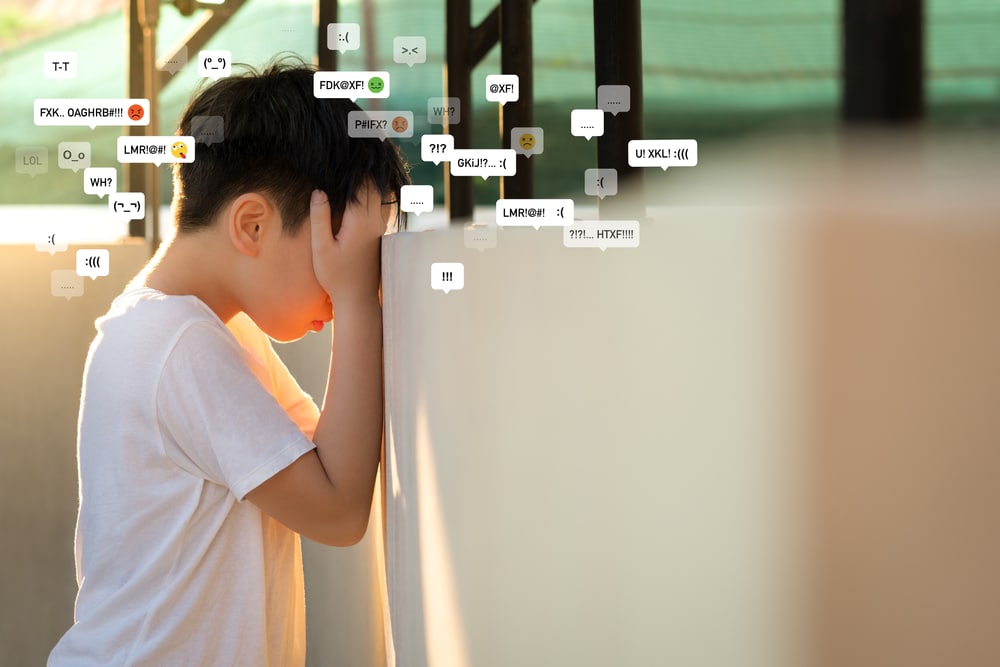
The digital age has introduced a parenting milestone that didn’t exist a generation ago: the “phone talk.” While most of these conversations focus on screen time limits and privacy settings, one mother is gaining international attention for shifting the focus toward a more critical skill—emotional armor. Jamie Sea, a prominent voice in the parenting community, has pioneered a concept she calls “Social Media Prep School” for her 11-year-old daughter. Her goal isn’t just to keep her child safe, but to ensure she is psychologically equipped to handle the complex emotional landscape of the internet before she ever hits “post.”
Sea’s approach, which has resonated with millions online, stems from a simple but profound realization: the internet is a mirror of the human psyche, not a reflection of a child’s worth. By teaching these lessons during the “tween” years—a developmental stage defined by a heightened need for social acceptance—parents can help their children build a sturdy internal foundation that external validation cannot easily shake.
The four key concepts every child should grasp before going online
To navigate the digital world successfully, children need more than just rules; they need a framework for understanding human behavior. Sea’s curriculum breaks down complex psychological projections into four digestible lessons:
1. The Filter of Personal Experience
Sea teaches her daughter that every interaction online is filtered through the commenter’s own life. If someone leaves a biting remark on a video, it is rarely a critique of the content itself. Instead, it is a manifestation of that person’s current mood, their past insecurities, or even a bad day at school. By understanding that “hurt people hurt people,” a child can learn to view negativity with curiosity rather than taking it as a personal truth.
2. The “Lens” of Perception
Using the analogy of different pairs of glasses, this lesson illustrates how emotions like jealousy or sadness can tint how we see the world. If a viewer is feeling insecure about their own talents, they might view another person’s success through a lens of resentment. Teaching children that there are multiple ways to interpret the same post helps them detach from the “one-size-fits-all” nature of online criticism.
3. The Comment Mirror Reframe
This is perhaps the most transformative tool in the “Prep School” toolkit. Sea encourages her daughter to view negative comments as if the commenter were speaking to themselves in a mirror. When a child realizes that a bully’s words are actually an internal dialogue about the bully’s own fears, the sting of the comment disappears. It transforms a potential wound into an observation about someone else’s internal struggle.
4. Projection and the Shield of Resilience
The final pillar is recognizing projection in real-time. This involves the ability to pause and ask, “Is this about me, or is this about them?” Developing this level of emotional intelligence allows a child to remain grounded and confident, even when faced with the unpredictable scrutiny of a digital audience.
Why this approach is significant
Modern parenting experts agree that proactive preparation is far more effective than reactive damage control. Dr. Laura Markham, a leading clinical psychologist, emphasizes that the transition to owning a first phone should be treated as a gradual education in digital citizenship. Rather than issuing a list of “don’ts,” parents should foster an environment of open dialogue.
This shift from “policing” to “mentoring” is vital. When parents focus solely on the dangers of the internet, they risk making the digital world a forbidden fruit or a source of anxiety. However, by focusing on emotional regulation and empathy—as seen in the “Social Media Prep School” model—parents empower their children to be leaders in their digital circles rather than victims of the algorithm.
How to initiate your own social media prep school
Starting your own version of this program doesn’t require a degree in psychology. It requires a commitment to intentionality. The most effective lessons happen in the small moments of daily life, long before a child creates their first profile.
To begin, try focusing on one concept at a time. You might discuss a scene in a movie where a character reacts poorly out of jealousy, or talk about how your own mood affects the way you text your friends. Use tangible objects—like actual sunglasses or a hand mirror—to make abstract psychological concepts feel real to a ten- or eleven-year-old.
Most importantly, keep the lines of communication wide open. The goal of “Social Media Prep School” isn’t to create a child who never feels hurt, but to create a child who knows they can come to you when they do. By equipping them with the tools to decode the “why” behind human behavior, you aren’t just preparing them for TikTok or Instagram; you are giving them emotional intelligence skills that will serve them for the rest of their lives.
Ultimately, the best way to protect a child in the digital world is to strengthen their sense of self in the real one. When a child knows exactly who they are, the opinions of strangers behind a screen lose their power. By taking the time to “prep” our children, we ensure that when they finally do step into the digital spotlight, they do so with their heads held high and their hearts protected.