



















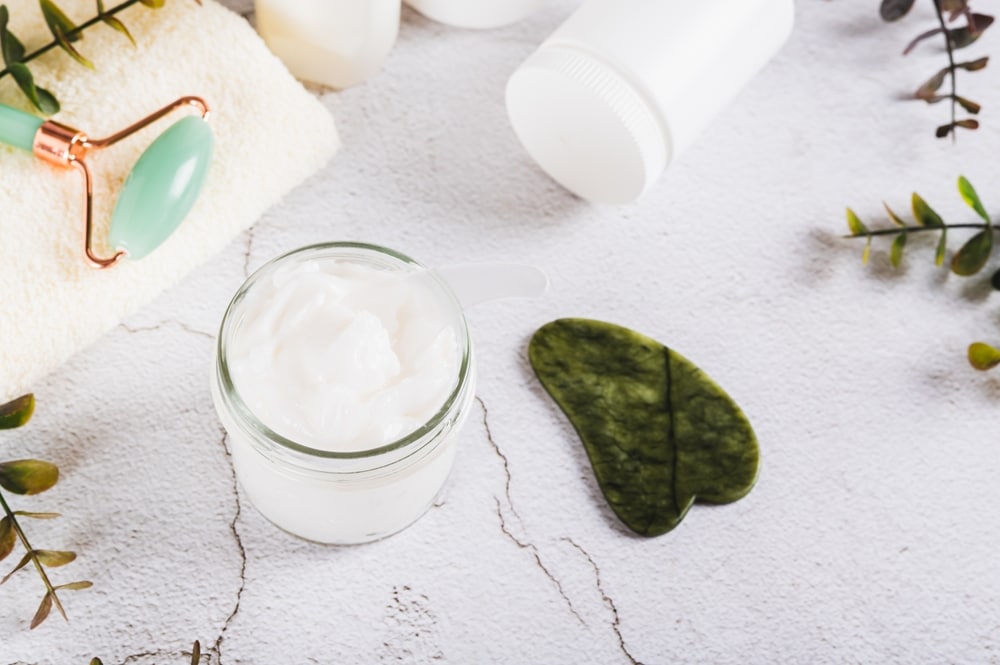
Years ago, I began exploring the traditional benefits of animal-based fats for skin health. While DIY tallow lotion bars were a great starting point, I eventually craved a lighter, more spreadable consistency. This led me to develop a nourishing whipped tallow balm that is gentle enough for even the most sensitive skin types.
One of the things I love most about this balm is how it leaves the skin feeling incredibly silky and soft. Using natural ingredients provides peace of mind, especially when applying it to my children. I noticed a significant improvement in my son’s eczema scars after consistent use. Below, I’ll share why tallow is such a powerhouse for the skin, how to source and purify it, and the steps to make your own at home.
Understanding the Skin-Healing Properties of Beef Tallow
Tallow is a unique skincare ingredient that stands apart from plant-based oils. It is derived from animal fat—typically beef, though mutton is an excellent alternative—that has been rendered and purified. While similar to lard (which comes from pigs), beef tallow has a specific nutrient profile that is exceptionally compatible with human skin.
For the highest quality balm, it is best to use fat from grass-fed cows, specifically suet or “leaf fat” found around the kidneys. This type of fat is nutrient-dense and offers numerous benefits. Because tallow is biologically similar to the oils produced by our own skin, it absorbs deeply and effectively. It is versatile enough to be used in lip balms, soaps, daily moisturizers, and healing salves. Many families find it particularly helpful for soothing dry patches, managing eczema, reducing the appearance of aging, and even treating diaper rash.
What You Need for a Nourishing Tallow Moisturizer
While you can use plain tallow on your skin, it is naturally quite firm and difficult to spread. To create a user-friendly moisturizer, I recommend blending the tallow with liquid carrier oils. This combination yields a deeply hydrating product that is easy to apply to both the face and body.
While some people choose to add shea butter or jojoba oil, I prefer a simple blend using extra virgin olive oil and a small amount of rosehip seed oil. Rosehip oil is a fantastic addition because it acts as a mild astringent, helping the tallow absorb more quickly while providing anti-aging benefits. You don’t even need beeswax to achieve the right thickness for this recipe. If you prefer a scented balm, you can add skin-safe essential oils like frankincense, chamomile, or lavender, though the balm works perfectly well without them.
Techniques for the Perfect Balm Consistency
This recipe results in a texture similar to a whipped body butter. If you prefer a traditional salve, you can simply skip the whipping process. Many people ask how to make tallow balm feel less greasy; the secret lies in adding a lightweight carrier oil like rosehip and using a mixer to incorporate air into the final product. If you find olive oil too heavy for your skin type, you can substitute it with a lighter option like grapeseed oil.
How to Source Quality Grass-Fed Fat
If you are ready to try tallow skincare, you may be wondering where to find the raw materials. High-quality, grass-fed beef tallow can often be purchased directly from local farmers or specialty online retailers. Properly rendered tallow typically has an off-white hue. If it has a strong “beefy” scent, it may require further purification to achieve a snow-white color and a neutral aroma.
Refining Your Tallow for Skincare Use
While unpurified tallow is fine for cooking, skincare products benefit from a cleaner scent. If you are starting with raw fat or a product that still smells like beef, follow these purification steps:
- Place 2 cups of rendered tallow, 5 cups of water, and 3 tablespoons of salt into a slow cooker.
- Simmer on the low setting for approximately one hour.
- Strain the hot mixture through a fine-mesh sieve lined with a clean cloth or paper towels into a large bowl.
- Refrigerate the bowl until the tallow has hardened into a solid block.
- Remove the tallow block from the water. Flip it over and scrape away any brown debris or impurities from the bottom.
- Repeat the process if a more neutral scent is desired.
- Most importantly, let the purified tallow air dry at room temperature to ensure all moisture evaporates, which prevents mold growth.
Homemade Whipped Tallow Balm Instructions
This silky balm is ideal for soothing irritation and hydrating parched skin. It is safe for family members of all ages.
- Melt the tallow in the top of a double boiler using low heat.
- Once the tallow is completely liquefied, stir in the olive oil.
- Remove the mixture from the heat. If you are using rosehip seed oil or essential oils, stir them in now.
- Pour the liquid into a glass jar and place it in the refrigerator to set.
Achieving the Whipped Texture
- To create the whipped version, pour the liquid balm into a mixing bowl instead of a jar before refrigerating. Chill until it is firm but not rock-solid.
- Use a hand mixer or a stand mixer with a whisk attachment to whip the mixture until it reaches a fluffy consistency. If it is too hard to whip, let it sit at room temperature for a few minutes to soften.
- Once light and airy, transfer the balm to a glass jar for storage.
Storage Note: Keep your balm in a cool, dry place away from direct sunlight. When stored properly at room temperature, it should remain shelf-stable for several months. For safety, this recipe uses a 1% essential oil dilution. If applying to children between 6 months and 3 years of age, reduce the essential oil count to 7 drops or leave them out entirely.
Boosting Benefits with Herb-Infused Oils
For additional skin-soothing properties, consider using an herb-infused oil in place of plain olive oil. Botanical extracts from calendula, lavender, chamomile, or plantain are excellent for topical applications. Simply infuse your carrier oil with these dried herbs before mixing it with the melted tallow to create a more potent healing balm.
Frequently Asked Questions About Tallow Skincare
1. Adjusting the Firmness of Your Balm
The natural hardness of tallow can vary. If your finished balm feels too stiff, you can re-melt it and add a bit more liquid oil. Conversely, if it is too soft, you can increase the tallow ratio or add a small amount of beeswax to provide more structure.
2. Is Tallow Safe for Facial Application?
Absolutely. Whipped tallow is an excellent facial moisturizer that leaves the skin feeling smooth without being overly heavy, provided you use it in moderation.
3. Dealing with the Natural Scent of Tallow
If your tallow has a noticeable beef scent, it is still safe to use, but the purification process outlined above is highly recommended for a more pleasant experience.
4. Should Pre-Rendered Tallow Be Purified?
Most tallow purchased from a butcher or farmer will still benefit from the salt-water purification method unless it has been specifically refined for cosmetic use.
5. Can Other Animal Fats Be Substituted?
While pig fat (lard) is great for many things, it is generally too soft for this specific balm recipe. Mutton tallow from sheep is a viable alternative to beef tallow, though the scent and consistency may differ slightly.
Final Thoughts: Incorporating tallow into your family’s skincare routine is a wonderful way to utilize traditional, nutrient-dense ingredients. Whether you are dealing with seasonal dryness or chronic skin sensitivities, this whipped balm offers a natural, effective solution that is easy to make in your own kitchen.