




















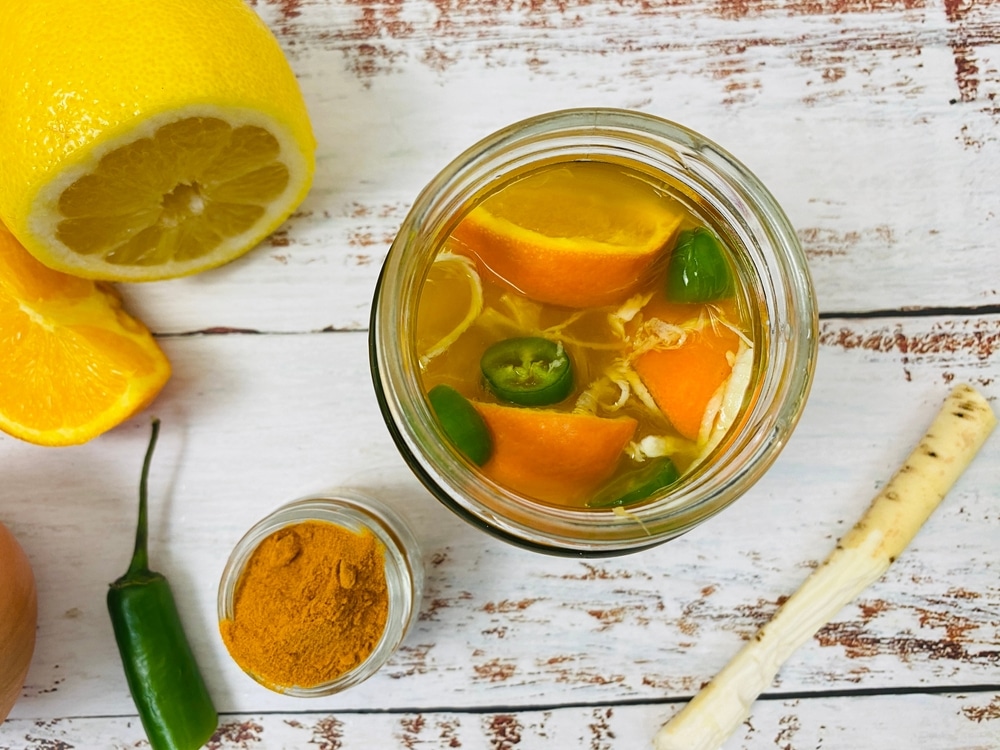
As a parent, the arrival of autumn often feels like bracing for a storm. Between school-yard germs and the drop in temperature, keeping a family healthy can feel like a full-time job. Years ago, I discovered a remedy that sounded more like a kitchen experiment than a health tonic: Fire Cider. At first, the idea of steeping pungent onions and spicy peppers in vinegar was a hard sell, but after seeing how it fortified our family’s immune systems, it became a permanent fixture in our pantry. If you are looking for a natural way to support your household’s wellness, this zesty, traditional tonic is a game-changer.
What is Fire Cider?
Fire cider is a potent herbal tonic that has been used for generations as a holistic way to ward off seasonal bugs. While the legendary herbalist Rosemary Gladstar brought it into the mainstream, the beauty of this remedy lies in its adaptability. The base usually consists of “the big five”: garlic, onion, ginger, horseradish, and hot peppers, all infused in raw apple cider vinegar and sweetened with honey.
For parents, the “spicy” nature of traditional fire cider can be a bit much for little ones. To make it more kid-friendly, I often swap the intense heat of horseradish for echinacea root. Echinacea is a powerhouse for supporting white blood cell production, making it a perfect substitute. If you do use horseradish, remember that grating it fresh releases sinus-clearing oils that can offer immediate relief for congestion.
From a nutritional perspective, you are creating what herbalists call an “oxymel”—a mixture of acid (vinegar) and sweet (honey). This combination not only helps extract the medicinal compounds from the herbs but also makes the minerals more bioavailable for your body to absorb.
How to Use Fire Cider
The name might sound intimidating, but fire cider is surprisingly versatile in a family kitchen. Because it is essentially a high-powered infused vinegar, you don’t have to take it as a “shot” to get the benefits. Here are a few ways we incorporate it into our routine:
- The Daily Defense: Take a tablespoon each morning during flu season to keep the immune system alert. For children, you can dilute this in a small glass of orange juice.
- The Recovery Tea: If a family member feels a tickle in their throat, stir a tablespoon into warm (not boiling) water with an extra squeeze of lemon. The warmth helps soothe the throat while the garlic and ginger go to work.
- Culinary Zest: Use it exactly like you would use balsamic vinegar. It makes an incredible base for a salad vinaigrette or a tangy marinade for roasted chicken.
- The Bread Dip: Mix it with a bit of high-quality olive oil and dried herbs for a savory dip with sourdough bread—a great way to get picky eaters to enjoy the benefits.
How to Ferment Fire Cider
The “magic” of fire cider happens during the infusion process. You aren’t just mixing flavors; you are allowing the vinegar to pull out the antimicrobial and anti-inflammatory properties of the roots and vegetables.
To get started, follow these simple steps:
- Prep your Jar: Pack a quart-sized glass jar with chopped onion, smashed garlic cloves, sliced ginger, echinacea root, and citrus slices (oranges and lemons add a much-needed Vitamin C boost). Add a jalapeño if your family handles spice well.
- Submerge: Pour raw apple cider vinegar (look for the kind “with the mother”) over the ingredients until they are completely covered. Use a fermentation weight if you have one to ensure nothing pokes above the liquid line, which prevents mold.
- The Wait: Store the jar in a warm spot, like near a sunny window or on top of the fridge, for 2 to 4 weeks. Give it a gentle shake every day to help the infusion along.
- The Finish: Strain the liquid through a fine-mesh sieve or cheesecloth. Mix the remaining liquid with an equal part of raw honey. The honey is crucial—it acts as a natural preservative and throat-soother.
- Storage: Keep your finished tonic in the fridge. It will stay potent for months!
Leftover Fire Cider Chutney
One of the best “pro-tips” for busy parents is reducing kitchen waste. Once you strain your cider, don’t throw away those vinegar-soaked veggies! They are packed with flavor and probiotics.
You can toss the solids into a food processor and pulse them into a chunky chutney. This savory relish is fantastic on top of a bowl of beans, stirred into a hearty winter soup, or spread over avocado toast. It’s a concentrated burst of wellness that ensures you are getting every bit of value from your ingredients.
***
In conclusion, Fire Cider is more than just a remedy; it is a ritual of care for your family. By taking a few minutes to prep a jar today, you are providing your household with a powerful, food-based tool to stay vibrant and healthy all year long. While this guide provides a traditional foundation, don’t be afraid to experiment with your own garden herbs to find the flavor profile your kids love most.
This article has been reviewed by Dr. Shani Muhammad, MD, a board-certified family medicine practitioner with over ten years of experience. Please note this is not personal medical advice, and it is always a good idea to consult your natural healthcare practitioner before starting new supplements.