



















If you were to peek inside my bathroom cabinets, you would see a clear preference for botanical ingredients. Over the years, I’ve transitioned most of my family’s personal care routines to natural alternatives. While the market for organic products has exploded recently, I still find immense joy and peace of mind in handcrafting my own supplies—a habit that truly took root when my children were babies.
Newborn skin is incredibly thin and significantly more permeable than adult skin. This means that whatever we apply topically is more likely to be absorbed into their developing systems. By opting for DIY baby care, you eliminate synthetic fragrances, parabens, and petroleum-based fillers, replacing them with nourishing, edible-grade ingredients.
Whether you are looking to save money or simply want to know exactly what is touching your child’s skin, these tried-and-true recipes offer a gentle, effective starting point.
Natural Diaper Rash Cream – Cloth Diaper Safe!
Switching to cloth diapers was a turning point in my parenting journey. Beyond the environmental benefits and cost savings, I noticed far fewer instances of irritation. However, occasional rashes are a reality for almost every infant, whether caused by a long car ride or a dietary change.
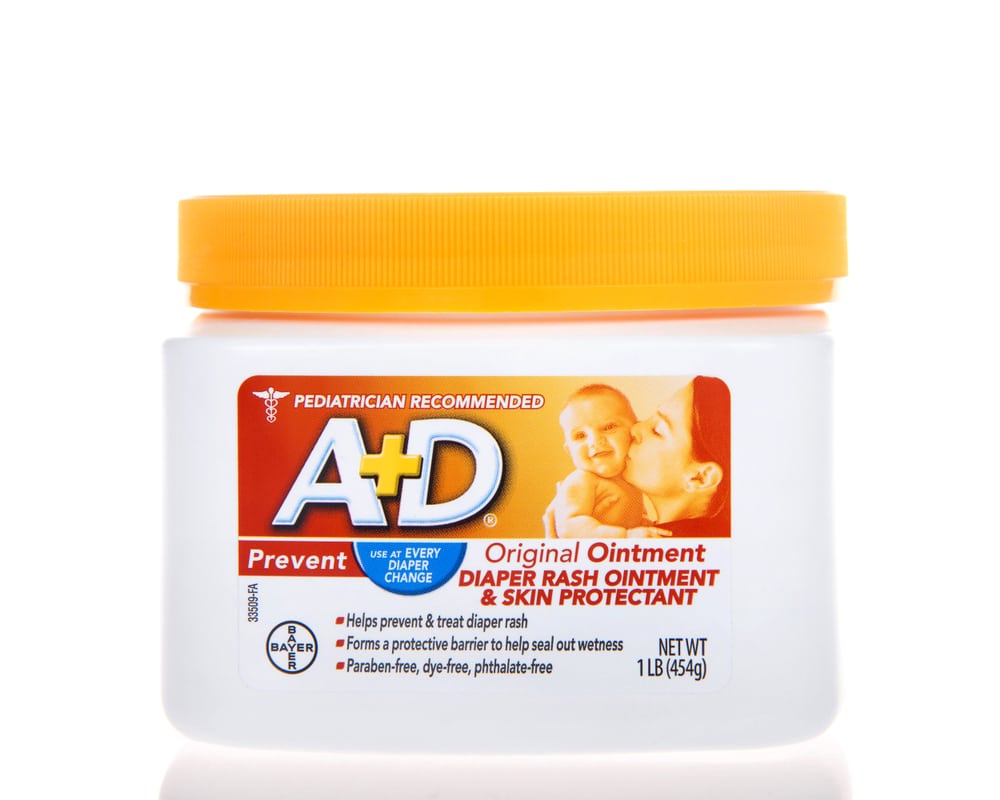
The challenge with cloth diapering is that many conventional “medicated” creams contain petroleum jelly or fish oils. These ingredients “repel” liquid, which can ruin the absorbency of cloth inserts and void manufacturer warranties. My solution was to create a barrier cream that uses coconut oil as a base. Coconut oil is naturally antimicrobial, and when infused with skin-soothing herbs like calendula, it provides a powerful yet breathable shield. It protects the skin from moisture while remaining easy to wash out of fabric diapers.
Baby Oil Recipe
Standard baby oil is almost universally made from mineral oil—a byproduct of the petroleum refining process—and synthetic “perfume.” Mineral oil acts like plastic wrap on the skin, potentially clogging pores and interfering with the skin’s natural ability to eliminate toxins.
A far superior choice is an herbal-infused plant oil. By steeping dried flowers in a carrier oil, you harness the anti-inflammatory properties of the plants themselves. Calendula is renowned for tissue repair, while chamomile is a powerhouse for calming redness.
Handcrafted Herbal Baby Oil
This gentle oil is perfect for infant massage or treating cradle cap.
- Prep time: 5 minutes
- Infusion time: 3 hours (stovetop) or 4-6 weeks (cold method)
- Yield: 8 ounces
Instructions
- The Slow Method: Fill a clean glass jar halfway with dried calendula and chamomile flowers. Cover completely with a high-quality carrier oil (like sweet almond or apricot kernel oil). Seal and store in a cool, dark place for 4 to 8 weeks, giving it a gentle shake every few days.
- The Quick Method: For immediate use, place the herbs and oil in a double boiler. Simmer on the lowest possible heat for 1 to 3 hours. Watch closely to ensure the oil does not overheat or “cook” the herbs; you are looking for a gentle extraction.
- Strain: Use a fine-mesh strainer or several layers of cheesecloth to remove all plant material. Transfer the golden oil to a glass pump or dropper bottle.
Note: This oil is also excellent for adults with sensitive skin or eczema.
Soothing Baby Powder
For decades, talcum powder was a nursery staple, but modern concerns regarding asbestos contamination and respiratory irritation have changed the landscape. While many “natural” brands have moved to cornstarch, even cornstarch can be problematic as it can promote the growth of yeast (Candida) in the diaper area.
Creating your own powder allows you to use safer bases like arrowroot starch or bentonite clay. These ingredients absorb excess moisture and soothe chafing without the risks associated with talc or the fungal-feeding properties of cornstarch. Adding a small amount of finely powdered lavender flowers provides a natural, calming scent without the need for chemical fragrances.
Homemade Baby Wipes
It is astonishing how many wipes a single infant can go through in a day. When I realized that most commercial wipes were essentially plastic fibers soaked in preservatives, I moved to a reusable system.
By using small flannel squares and a simple solution of distilled water, a splash of witch hazel, and a drop of liquid castile soap, you can clean even the messiest blowouts without irritating the skin. If you aren’t ready for cloth wipes, you can use the same solution with high-quality, heavy-duty paper towels placed in a reusable container. It’s a budget-friendly swap that significantly reduces your household’s chemical footprint.
Super Smooth Baby Lotion and Lotion Bars
Many lotions on the market are mostly water, requiring heavy preservatives to prevent mold. For my children, I prefer “anhydrous” (waterless) products like lotion bars.
Lotion bars are solid at room temperature but melt slightly upon contact with warm skin. Made from a combination of beeswax, shea butter, and coconut oil, they create a protective emollient layer that stays on the skin longer than traditional lotion. For newborns, I recommend skipping essential oils entirely and relying on the natural, chocolatey scent of raw cocoa butter or the light nuttiness of shea. These bars are especially helpful for babies with dry patches or “drool rash” on their chins.
Baby Shampoo or Wash
The “clean baby” smell shouldn’t come from a bottle. In reality, newborns rarely need soap. Their skin produces protective oils that shouldn’t be stripped away by harsh surfactants. For the first few months, warm water and a soft washcloth are usually sufficient.
When a soap is truly necessary, I recommend a highly diluted, unscented liquid castile soap. You can create a “foaming” wash by mixing one part soap with five parts distilled water in a foaming pump bottle. This makes the soap easier to rinse off and ensures you aren’t using more than necessary on their delicate scalp and body.
Natural Teething/Pain Relief
Teething is a challenging milestone for both parents and babies. While many turn to over-the-counter pain relievers, I’ve found that botanical support can be incredibly effective for mild to moderate discomfort.
A chamomile tincture (alcohol-free for infants) can be rubbed directly onto the gums to help reduce inflammation and soothe the nervous system. Chamomile is often called the “herbal parent” because of its unique ability to calm irritability and promote restful sleep during periods of physical discomfort.
Baby Vapor Rub
When a baby has a cold, the instinct is to reach for a vapor rub. However, many commercial rubs contain menthol or camphor, which can be too intense for an infant’s respiratory system and may actually cause the body to produce more mucus as a defense mechanism.
A safer DIY alternative involves using “kid-safe” essential oils like Fir Needle or Rosalina diluted heavily in a base of olive oil and beeswax. This provides a gentle warming sensation and helps support clear breathing without the harshness of petroleum-based menthol rubs.
Final Thoughts on Natural Baby Care Recipes
Caring for a baby’s skin doesn’t require a long list of expensive, branded products. By returning to simple, plant-based ingredients, you can provide superior care that supports your child’s health and the environment. These recipes have been a staple in my home for nearly two decades, and they continue to be my favorite gift to give to new parents who are looking for a more intentional, natural way to care for their little ones.