


















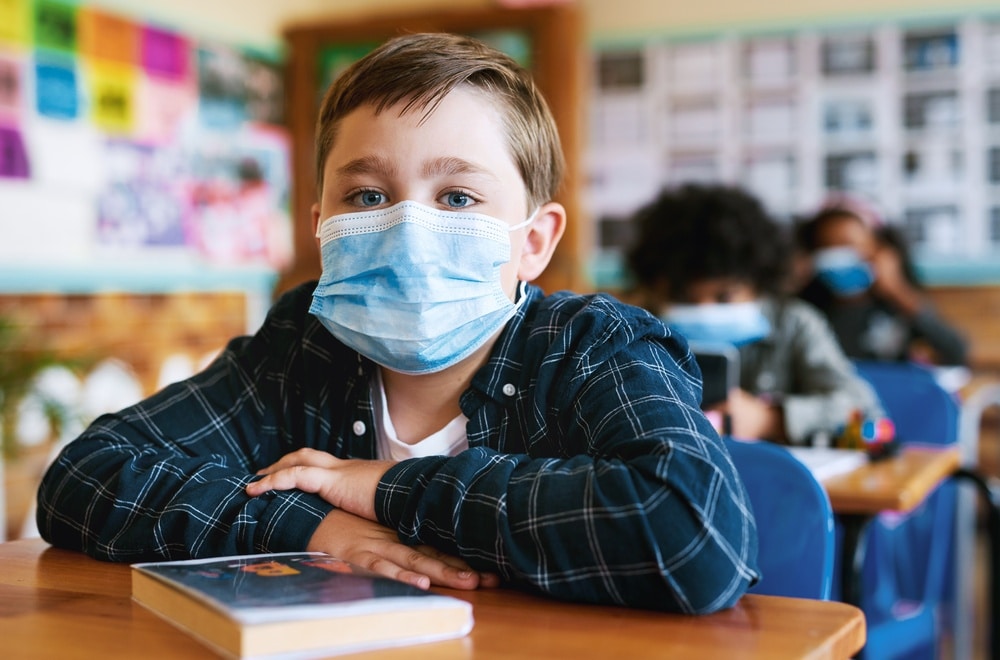
Every autumn, a familiar cycle begins. The excitement of new classrooms and fresh friendships is often followed by a lingering cough that makes its way through every member of the household. This isn’t just bad luck; research indicates that approximately 30 to 40 percent of influenza transmission occurs within the home. Because children are often the primary carriers, the house becomes the central hub for seasonal bugs.
To create a practical defense strategy, we consulted Dr. Jen Caudle, a board-certified family physician and associate professor at Rowan University. Dr. Caudle, a frequent contributor to major news networks, offers a realistic perspective for parents: you cannot completely immune-proof a child. In fact, it is clinically normal for children to experience up to six colds per year. However, by understanding how germs navigate your home, you can make the environment much less inviting for unwanted bacteria and viruses.
Managing the Primary Entry Points for Household Germs
The majority of germs enter your home at the same time your children do—right through the front door. According to Dr. Caudle, transition periods are the most critical times for contamination, and the entryway floor usually bears the brunt of it. A 2008 study from the University of Arizona highlighted the extent of this issue, finding that the average shoe sole carries about 421,000 units of bacteria. Furthermore, coliform was detected on 96 percent of the shoes tested, suggesting that the first few steps inside are often the most contaminated areas of the house.
The solution is a straightforward “shoes-off” policy. Dr. Caudle explains that removing shoes at the door creates a simple yet effective barrier that protects the areas where children typically play and eat. While this is a smart preventive measure, experts also note that there is no documented record of shoe-sole bacteria directly causing widespread illness. Parents should view this rule as a low-cost insurance policy rather than a source of significant anxiety.
Why the Kitchen Requires More Attention Than the Bathroom
While many parents focus their sanitizing efforts on the bathroom, data from the National Sanitation Foundation suggests the kitchen is actually the germiest room in the house. Their research found coliform bacteria on over 75 percent of kitchen sponges, compared to only 9 percent of bathroom faucet handles. This makes the common dish sponge the single most contaminated item in many households.
Dr. Caudle recommends focusing cleaning efforts on high-traffic surfaces where children eat, such as kitchen counters and dining tables. These surfaces are magnets for whatever your child has touched throughout the day. Beyond the usual suspects like light switches and doorknobs, it is important to remember “mobile” items: lunchboxes, water bottles, backpacks, and favorite toys. A quick sanitizing wipe on these items can significantly reduce the risk of cross-contamination without requiring a full household deep-clean.
Practical Strategies for Consistent Hand Hygiene
Handwashing remains the most effective habit for preventing the spread of illness, but getting young children to comply can be a challenge. Rather than lecturing about time, Dr. Caudle suggests giving kids a visual goal, such as washing until all the soap bubbles have completely disappeared or counting to twenty together.
The key to success is making the habit automatic. Establishing a “backpack down, hands washed” routine before snacks or play ensures the rule is followed without exception. While hand sanitizer is a convenient option for the car or the school pickup line, traditional soap and water are still the gold standard for removing visible dirt and heavy germ loads.
Finding Balance and Keeping Perspective
It is vital for parents to remember that childhood illness is not a reflection of parenting quality. With children sharing supplies and playing in close quarters, some level of exposure is inevitable. By securing the entryway, prioritizing kitchen hygiene over bathroom scrubbing, and cementing simple handwashing routines, you can reduce the viral load in your home. Some illnesses will still make their way through, but with these strategies, you can manage the back-to-school season with more confidence and less stress.
In summary, while you cannot stop every germ at the door, focusing on high-impact areas like the entryway and the kitchen can significantly disrupt the cycle of transmission. By establishing consistent hygiene rituals and maintaining a realistic outlook on seasonal colds, you can keep your household healthier and more resilient throughout the school year.