




















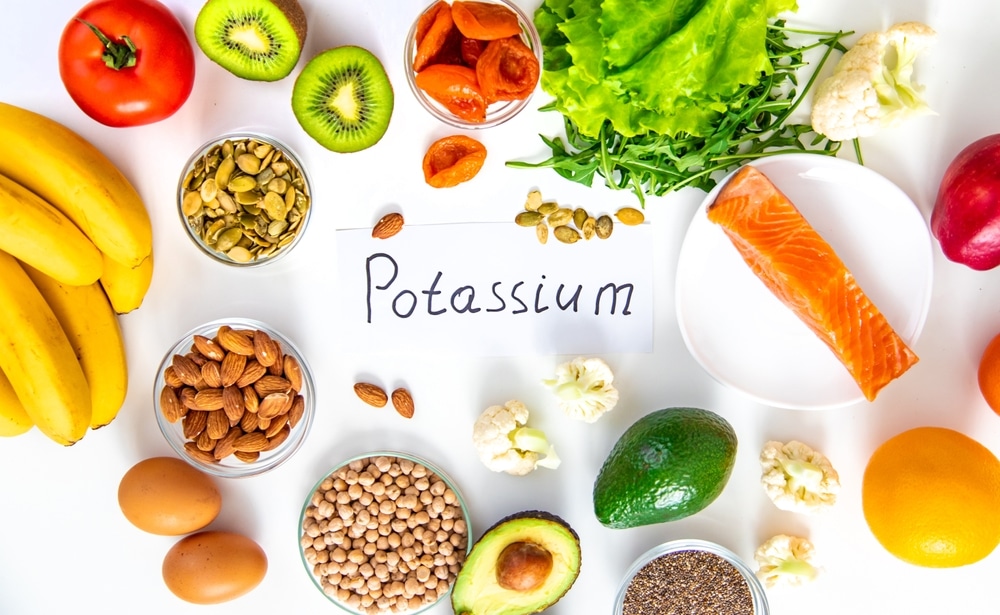
In the past, many of us viewed potassium through a very narrow lens, perhaps only associating it with eating a banana to prevent a leg cramp. However, a deeper look into human biology and our body’s complex electrical system reveals that potassium is actually a cornerstone of foundational health. For many women, it is the missing piece of the wellness puzzle that explains why we can feel both “overfed” yet “undernourished” in our modern world.
Today’s lifestyle often leaves us disconnected from the mineral-rich diets of our ancestors. While many modern diets are high in calories, they are frequently depleted of the essential minerals required for cellular communication, stress regulation, and energy production. By intentionally restoring potassium levels alongside magnesium and sodium, many find a significant shift in their emotional resilience, physical energy, and overall sense of balance.
The Vital Role of Potassium in Cellular Health
Potassium functions as the primary electrolyte found inside our cells. In contrast, sodium is located mostly in the fluid surrounding the cells. This specific arrangement is not accidental; the interplay between these two minerals creates the electrical charge necessary for every vital function in the human body. While we often think of health in terms of chemistry or hormones, the body is also a sophisticated electrical machine.
From the rhythmic beating of your heart and the firing of neurons in your brain to the contraction of your muscles, every signal depends on this electrical communication. Potassium is the silent regulator that keeps these systems stable. When potassium stores are depleted, these electrical signals can become erratic, leading to a wide range of systemic issues. In the electrolyte “trifecta,” sodium acts as the charger and magnesium as the relaxer, but potassium serves as the ultimate balancer, ensuring the system remains steady and functional.
How the Sodium-Potassium Pump Powers Your Body
One of the most critical biological mechanisms is the sodium-potassium pump. This cellular “engine” works tirelessly to move sodium out of the cell and pull potassium back in, maintaining the electrical gradient required for life. This process is so essential that the body spends a massive portion of its total daily energy just to keep these pumps running.
When potassium levels are insufficient, this pump loses efficiency. On a practical level, this can manifest as persistent fatigue, “brain fog,” or a sluggish metabolism. Because the body is struggling at a cellular level to maintain its electrical balance, you may feel overstimulated yet physically exhausted. Addressing mineral balance is often the overlooked first step in managing chronic stress and low energy levels.
Soothing the Nervous System with Essential Minerals
Potassium is deeply involved in how our nervous system handles stress. While sodium is responsible for activating nerve impulses, potassium is required to “reset” the nerve so it can return to a resting state. Without enough potassium, the nervous system can stay in a state of hyper-reactivity, contributing to feelings of anxiety, internal shakiness, or heart palpitations.
For many women juggling the demands of motherhood and modern life, the nervous system is often stuck in a “fight-or-flight” loop. While traditional stress management techniques are helpful, providing the body with the minerals it needs to physically calm the nerves can be a game-changer. Adequate potassium helps the body feel “safe” on a physiological level, allowing for greater resilience in the face of daily stressors.
Balancing Blood Sugar and Metabolic Function
There is a significant but frequently ignored connection between potassium and blood sugar regulation. Potassium is required for cells to successfully uptake glucose (sugar) from the bloodstream. When potassium is low, insulin becomes less efficient at its job. This can lead to blood sugar instabilities that mimic insulin resistance, even in those who eat a relatively healthy diet.
This mineral requirement becomes even more pronounced during major hormonal transitions, such as pregnancy, the postpartum period, and the various stages of menopause. These seasons of life place an increased demand on the body’s mineral stores. Often, what we perceive as “carb cravings” or “energy crashes” are actually the body’s cry for the minerals it needs to process energy correctly.
The Modern Struggle for Adequate Mineral Intake
Current health guidelines often suggest that adults require between 3,400 and 4,700 milligrams of potassium daily, yet the vast majority of people consume only a fraction of that. This deficiency is largely due to the shift away from traditional, mineral-rich foods like root vegetables, seasonal fruits, and bone broths toward processed foods that are heavily salted but potassium-poor.
Furthermore, certain dietary trends can inadvertently exacerbate the problem. Low-carb or ketogenic diets often restrict some of the most potent sources of potassium, such as beans, squash, and potatoes. Additionally, chronic stress triggers the release of cortisol, which prompts the kidneys to excrete more potassium through urine. In our fast-paced world, we are often losing potassium at the very moment we need it most.
Improving Gut Motility and Digestive Wellness
If you struggle with digestive issues, potassium may be a factor. The smooth muscles of the digestive tract rely on potassium to contract and move food through the system—a process known as peristalsis. When potassium levels are low, these rhythmic contractions can slow down, leading to common complaints like bloating and constipation.
While fiber is usually the first thing people reach for to improve digestion, minerals are equally important for the mechanical function of the gut. Because potassium also influences hydration and fluid balance, it plays a double role in keeping the digestive system moving smoothly.
Common Indicators of Potassium Deficiency
Identifying a potassium deficiency can be tricky because standard blood tests may not reflect the levels actually stored within your cells. The body prioritizes keeping blood levels stable even when cellular stores are running dangerously low. However, several physical signs can point toward a need for more minerals:
- Chronic fatigue or lack of stamina
- Recurrent muscle cramps or twitches
- Digestive sluggishness and bloating
- Unstable blood sugar and energy “crashes”
- Occasional heart palpitations or elevated blood pressure
- Feelings of internal anxiety or restlessness
- Fluid retention and persistent salt cravings
While these symptoms can stem from various causes, addressing mineral balance is a gentle and foundational way to support the body’s recovery.
The Synergistic Relationship of the Electrolyte Trifecta
Potassium does not work in a vacuum; it operates in a delicate dance with sodium and magnesium. Sodium manages fluid outside the cells, potassium manages fluid inside the cells, and magnesium acts as the facilitator for the entire process. If any one of these is out of balance, the others cannot function optimally.
For instance, if you are low in potassium, your body may start to retain too much sodium in an attempt to maintain balance, leading to puffiness or high blood pressure. Similarly, you might find that magnesium supplements aren’t as effective if your potassium levels are still low. For true hydration and cellular health, these minerals must be addressed together.
Nutrient-Dense Dietary Sources of Potassium
While the banana is the most famous source, many other whole foods offer significantly higher concentrations of potassium. To naturally boost your intake, focus on incorporating the following:
- Potatoes and sweet potatoes (with the skin)
- Avocados
- White beans and legumes
- Coconut water (an excellent natural electrolyte drink)
- Spinach, chard, and other leafy greens
- Winter squash and tomatoes
- Wild-caught salmon
- Beets, kiwi, and pomegranate
Choosing foods based on the season can also help. Hydrating fruits and coconut water are ideal during the summer or after exercise, while mineral-dense root vegetables are perfect for the colder months.
Safety and Best Practices for Supplementation
Food should always be the primary source of potassium. While the body can usually handle extra magnesium or sodium with ease, potassium is much more potent. Because it directly impacts heart rhythm and electrical signaling, excessive intake through concentrated supplements can be dangerous. Over-the-counter supplements are typically limited to low doses for this reason.
A balanced approach is usually best: prioritize potassium-rich whole foods and use a well-formulated, balanced electrolyte blend if needed. This ensures you are getting a safe ratio of minerals that the body can easily recognize and utilize.
Supporting the Body’s Intricate Electrical Network
Viewing the body as an electrical system changes how we approach nutrition. Minerals are not just “nutrients”; they are the conductors of our internal life force. When we have sufficient potassium, our energy remains steady, our nerves remain calm, and our cells communicate clearly. By focusing on these foundational minerals, we can move away from feeling “wired but tired” and toward a state of genuine vitality.
Building a Foundation for Lasting Wellness
Potassium is one of the most underrated tools in the modern wellness kit, particularly for mothers navigating high-stress environments. It influences everything from your heart rate to your hormones and digestion. While it isn’t a “quick fix” for every health woe, ensuring you meet your daily mineral needs is a vital step toward long-term resilience. By prioritizing mineral-dense foods and understanding the electrical needs of your body, you can create a stronger, calmer, and more energized version of yourself.