

















Just two days after coming home with my newborn daughter, I experienced a moment that every mother fears but few talk about openly. I was simply walking across my living room when my bladder decided to empty completely, without a second of warning. There was no sneeze, no cough, and no way to stop it. My yoga pants were soaked, and my dignity was momentarily bruised. Having had my first child six years prior, I was used to the “cross your legs when you sneeze” rule, but this total lack of control was a new, startling reality.
Even as I recovered, my “new normal” involved a permanent strategy: always use the bathroom before a workout and pray before a heavy sneeze. My youngest is now 14, yet those habits remain. In my favorite fitness classes—specifically those high-energy trampoline workouts—bladder leaks are so common they are a frequent topic of conversation. We laugh about it, we wear period underwear as a backup, and we accept it as an unglamorous tax on motherhood. We have normalized it so thoroughly that we often forget it is a problem that can actually be addressed.
According to Lauren Barker, CEO of Uresta, this cultural acceptance is part of the issue. Statistics show that one in three women deal with urinary incontinence within the first year of giving birth, and that number can jump to 50% as women approach menopause. Despite how common this is, many healthcare providers fail to bring it up during routine visits. While not life-threatening, it is a significant quality-of-life concern. Women spend decades managing leaks, often missing out on activities or planning their entire lives around the nearest restroom.
While options like pelvic floor physical therapy are incredibly effective, they are frequently under-prescribed in North America compared to countries like France or the UK. Traditional medical pessaries are another option, but they require invasive fittings by a doctor and have a notoriously low long-term usage rate. This gap in care is where a more accessible solution becomes necessary.
An Innovative Approach to Managing Bladder Leaks
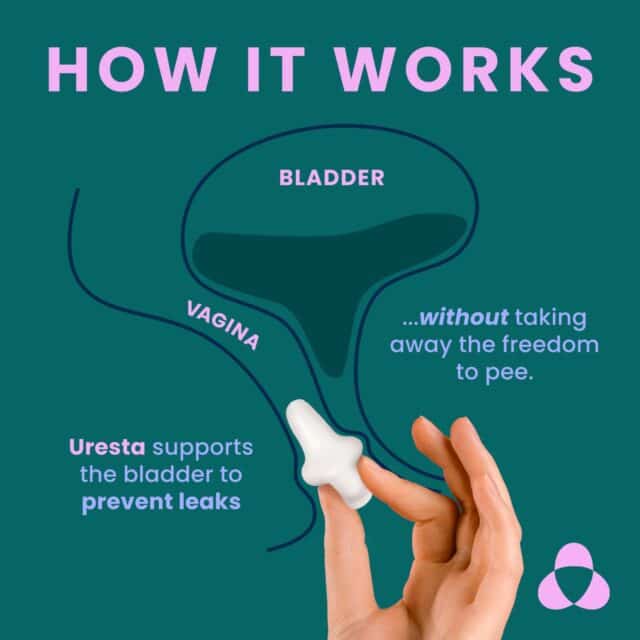
Uresta offers a different path as the first FDA-approved, over-the-counter solution for bladder leaks that you can fit yourself at home. Think of it as a “bra for your bladder.” Instead of a prescription device, this is a bell-shaped support made of firm, medical-grade resin that is inserted vaginally. It sits just below the urethra to provide necessary counter-pressure during physical activity. When you jump or sneeze, the device provides the support needed to prevent a leak, but because it doesn’t block the urethra, you can still use the bathroom normally without removing it.
Finding the right fit is simplified through a starter kit containing three different sizes (small, medium, and large), which accommodates the vast majority of women. If you find you need a size outside of that range, the company provides alternatives. The key to success is ensuring the device clears the pubic bone; once it is nestled correctly, it should be entirely unnoticeable.
As someone comfortable with menstrual cups, I tested the medium size during a high-intensity trampoline class. While the medical-grade resin is firmer and doesn’t collapse like a silicone cup—making a little lubricant helpful for insertion—the results were impressive. I made it through the entire workout, including twists and jumps, with zero leaks and zero discomfort. In fact, I completely forgot I was wearing it until I got home. It can be worn for several hours at a time, making it a viable option for both workouts and daily wear.
For those using it shortly after childbirth, it is important to note that your size requirements may change as your body continues to heal. While this is a support device and not a pelvic floor exerciser, clinical studies have shown that using it does not cause incontinence to worsen. The real shift, however, is mental. Many women don’t realize how much they have limited their lives—avoiding certain clothes, exercises, or social situations—until the fear of leaking is finally removed.
Common Questions About Using Uresta
Is Uresta FDA approved?
Yes, it is the only reusable, over-the-counter bladder support device with FDA approval currently on the market in the U.S. Because it is available over-the-counter, you do not need a prescription or a doctor’s appointment for a fitting.
What is the cost of the device?
A starter kit, which includes three sizes to help you find your perfect fit, costs $65. Each device is designed to be reusable for up to one year. Additionally, the product is eligible for reimbursement through HSA and FSA accounts.
Can I use this during the postpartum period?
Absolutely. It is a popular choice for new mothers. Because hormone levels (especially estrogen) can fluctuate during breastfeeding and recovery, your internal support needs may change. The company offers a 30-day window to exchange sizes for free if the starter kit doesn’t meet your needs as your body adjusts.
Summary
Bladder leaks may be a common part of the motherhood experience, but they don’t have to be an accepted one. By moving away from the “just part of aging” mindset and utilizing modern support tools like Uresta, women can reclaim their confidence and get back to the activities they love—whether that’s a high-impact workout or simply playing with their children—without the constant worry of an accident.