

















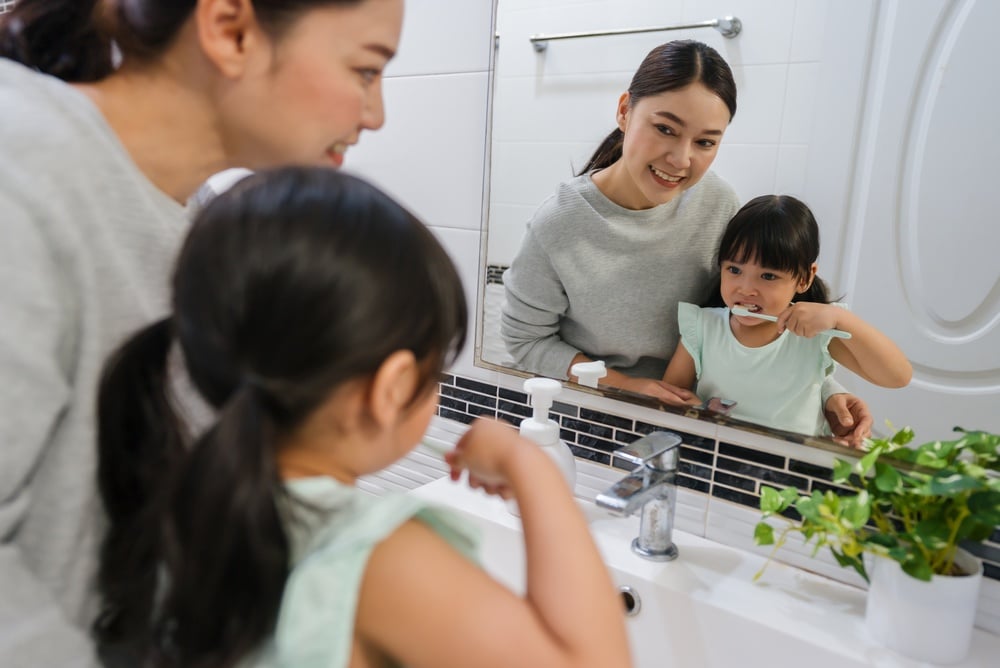
We’ve all been there: it’s 8:00 AM, you’re trying to get out the door, and your toddler is suddenly treating a toothbrush like it’s a tiny, vibrating monster. Toddlers feel very small in a very big world, and they often express their need for control through epic battles over daily tasks. This is where a structured schedule steps in to save our sanity.
According to child development specialists, creating a predictable daily rhythm does wonders for a child’s growing brain. It actually helps develop the prefrontal cortex, which is the control center for planning, focus, and executive function. When toddlers know exactly what to expect next, their anxiety drops, and their cooperation sky-rockets.
Establishing these self-care habits early also builds a strong foundation for the future. By the time they head off to preschool, they’ll already have a sense of independence and self-care awareness. Plus, teaching them to care for their bodies now prepares them for the pre-teen and teenage years, reducing future struggles with body odor and skin issues. To see how hygiene fits into a balanced day, you can check out this Daily Toddler Schedule: Routines and Sample to Follow for inspiration.
Essential Tasks for Your Toddler’s Daily Routine
When we think about toddler hygiene, we aren’t just talking about keeping dirt off their knees. Good hygiene is a protective shield for their health. Did you know that regular handwashing with soap and water for 20 seconds can reduce the spread of germs by up to 50%? In a world of playground mud and shared daycare toys, that simple habit keeps the whole family healthier.
Toothbrushing is another non-negotiable. Pediatric dentists recommend brushing twice a day as soon as those first baby teeth pop up. Toddlers who maintain a consistent brushing routine experience up to 40% fewer dental issues than those without structured habits.
Of course, we also have to care for their skin and hair. As you track your child’s toddler hair growth, you’ll want to wash their hair once or twice a week with a gentle, tear-free shampoo. For diaper and potty hygiene, keeping things clean and dry is key to preventing painful rashes.
Morning Tasks on Your Daily Toddler Hygiene Checklist
Starting the day with a clear routine helps set a calm tone for the afternoon. Here are the core morning tasks to focus on:
- Face Washing: A quick, gentle wipe with a warm, damp cloth helps clear away morning sleep crust and breakfast crumbs.
- Getting Dressed: Encourage your toddler to pick between two pre-selected outfits and help pull up their pants. Change their underwear daily, even if they didn’t have any potty accidents.
- Morning Toothbrushing: Brush for two minutes using a pea-sized amount of fluoride toothpaste (or training toothpaste for the littlest ones).
- Handwashing Before Breakfast: A quick scrub ensures they aren’t eating sleep dust or germs from their morning toys.
Evening Tasks on Your Daily Toddler Hygiene Checklist
The evening routine is all about winding down and signal-boosting the “it’s time for sleep” message to your toddler’s brain.
- Bath Time: A warm bath is the ultimate wind-down activity. Keep it under 10 minutes to prevent their delicate skin from drying out.
- Evening Toothbrushing: This is the most critical brush of the day to wash away sugars and food particles before sleep.
- Hair Brushing: A gentle brush prevents tangles and keeps their scalp healthy.
- Clean Diaper or Potty Trip: One last bathroom visit helps prevent nighttime leaks and encourages potty training consistency.
Creative and Fun Toddler Hygiene Chart Ideas
Because toddlers can’t read yet, a list of written rules won’t do much to motivate them. Their brains process images much faster than text. Visual aids are the magic key to getting toddlers excited about their routines. When they can physically see what needs to be done, they feel empowered to take charge.
Using a visual checklist turns daily chores into a fun game. You can easily find ready-to-use templates, like this Daily Hygiene Chart, which you can print out and laminate so your little one can use dry-erase markers to tick off their successes.
Here are two of our favorite creative ways to bring these charts to life at home.
The Montessori-Inspired Photo Chart
The Montessori philosophy is all about cultivating independence and respect for a child’s capabilities. A photo-based routine chart is perfect for this.
To make one, take photos of your toddler doing each step of their routine: washing their hands, brushing their teeth, and putting on their shoes. Print these photos out and arrange them in a linear timeline at your child’s eye level.
This visual setup supports their natural drive for autonomy. Instead of us nagging, “Go brush your teeth!”, we can simply ask, “What does your photo chart say is next?” It builds practical life skills and makes them feel incredibly proud of their own self-care. For a deeper dive into setting up your home this way, check out this Montessori Toddler Routine: A Complete Daily Schedule Guide.
The “Lean Management” Magnetic Board
If you love organization, you might enjoy borrowing a tool from the business world: visual lean management. You can create a simple “To Do / Done” magnetic board.
Use a cookie sheet or a magnetic whiteboard divided into two columns. Create magnets with simple illustrations of hygiene tasks. As your toddler completes each task, they get the immense satisfaction of physically sliding the magnet from the “To Do” side to the “Done” side.
To add an educational twist, you can include labels in both English and Spanish. It supports early language learning while keeping their morning routine moving along smoothly.
How to Teach Independence While Keeping Toddlers Safe
Teaching toddlers to care for themselves is a beautiful, messy balancing act. We want to step back and let them try, but we also have to step in to make sure they’re actually clean—and safe.
| Hygiene Task | What the Toddler Can Do | What the Parent Must Do | Safety/Success Tip |
|---|---|---|---|
| Bathing | Splash, wash their tummy with a soapy washcloth, play with bath toys. | Wash hair, clean sensitive areas, supervise the entire time. | Never leave a child under 5 alone in the tub, even for a second. |
| Toothbrushing | Hold the brush, “practice” brushing their own front teeth. | Apply a pea-sized amount of toothpaste, do the thorough brush. | Pediatricians recommend supervising and assisting with brushing until around age 8. |
| Handwashing | Wet hands, rub soap together to make bubbles, rinse. | Turn on the warm water, ensure they scrub for a full 20 seconds. | Use a sturdy step stool so they can easily reach the faucet. |
| Nail Trimming | Sit quietly, choose which finger gets clipped first. | Carefully trim nails straight across using baby clippers. | Do this while they’re calm, distracted by a favorite story, or sleeping. |
Toddlers are natural copycats. The best way to teach them is by modeling the behavior ourselves. Let them see you brushing your teeth, washing your hands, and washing your face.
Keeping an eye on their overall physical wellness is also part of the job. If your toddler is feeling under the weather, their hygiene routine might need to be simplified. If you’re dealing with a recurring fever in children, prioritize rest, hydration, and gentle sponge baths over rigid routines.
Overcoming Common Toddler Hygiene Challenges
Let’s be honest: even with the most beautiful chart in the world, there will be days when your toddler flat-out refuses to cooperate. Resistance is a completely normal part of toddler development.
Sensory sensitivities are often at the root of hygiene struggles. The spray of a shower, the minty sting of adult toothpaste, or the scratchy feeling of a towel can feel completely overwhelming to a sensitive child. If your toddler has sensory sensitivities or special needs, we have to adapt the routine to keep them comfortable.
Start by choosing gentle, toddler-friendly products. Look for tear-free, fragrance-free body washes and soft-bristled toothbrushes. For a great guide on morning routines specifically tailored for the preschool crowd, take a look at this Morning Hygiene Checklist for Kids 3-5.
If your toddler is suddenly showing extreme resistance alongside unusual physical symptoms, pay attention to their energy levels. While some behavioral pushback is normal, sudden and severe causes of lethargy in toddlers warrant a quick call to your pediatrician to rule out any underlying illness.
Frequently Asked Questions About Toddler Hygiene
How often should a toddler take a bath?
Toddlers don’t actually need a bath every single day unless they’re visibly dirty, sweaty, or covered in finger paint. Bathing 2 to 3 times a week is usually plenty to keep their skin clean without drying it out. On non-bath days, a quick wipe down with a warm, damp washcloth in the diaper area, face, and hands is perfect.
How do I get my toddler to stop fighting toothbrushing?
Gamify it! Turn brushing into a silly adventure. You can pretend to search for “tooth dinosaurs” hiding in the back of their mouth, sing a favorite 2-minute brushing song, or let them brush your teeth while you brush theirs. Giving them choices—like letting them pick between a blue or yellow toothbrush—also helps them feel in control.
What are the best sensory-friendly hygiene tools for toddlers?
Look for extra-soft silicone toothbrushes, which are much gentler on sensitive gums. Unscented, hypoallergenic foaming soaps are also great because they rinse off quickly and don’t leave a strong scent behind. Using visual timers can also help kids with sensory sensitivities see exactly when a task will end.
Conclusion
At the end of the day, building a daily toddler hygiene checklist isn’t about creating a picture-perfect household. It’s about giving our kids the tools they need to feel confident, capable, and healthy as they grow. These small, daily moments of washing hands and brushing teeth are the building blocks of lifelong self-care.
Whether you’re practicing these routines at home or looking for helpful hints for traveling with a toddler to keep habits consistent on the road, remember to keep it fun and keep it simple. For more practical parenting advice and keeping your little ones safe through every stage, check out our ModernMom Baby Sleep Safety Guide or visit us at ModernMom for your daily dose of motherhood support. You’ve got this, mama!