


















We have all been there: frozen in mid-step, heart racing, because a floorboard creaked while the baby was finally asleep. Many parents treat nap time like a high-stakes stealth mission, silencing phones and abandoning chores to protect those precious minutes of rest. However, this “culture of silence” might inadvertently be setting your child up for sleep fragility. When we curate a perfectly silent environment, we teach a child’s developing brain that sleep can only occur in a vacuum. The reality is that building “sleep resilience” is one of the most liberating gifts you can give your child—and your own sanity.
The Essence of Sleep Resilience
Sleep resilience is the ability of a child to maintain a restful state despite the ebb and flow of a living home. This isn’t about forcing a child to sleep through a construction zone; it’s about habituation. When a child is exposed to a consistent “lifestyle hum,” they learn to filter out non-threatening background noise. This adaptability is a life skill. A sleep-resilient child can nap at a busy grandmother’s house, in a stroller during a walk, or at a daycare center without needing a soundproof bunker.
To foster this, many parents turn to white noise. It is important to view white noise as a protective “auditory blanket” rather than a permanent crutch. It smoothes out the peaks of sudden sounds—like a barking dog or a dropped pot—making them less likely to trigger the startle reflex.
From a safety perspective, the American Academy of Pediatrics (AAP) suggests keeping sound machines at least seven feet away from the crib and at a volume no louder than a soft shower (around 50 decibels). A good rule of thumb: if you can’t have a conversation at a normal volume because the white noise is too loud, it’s time to turn it down.
How Everyday Noise Promotes Sleep Resilience
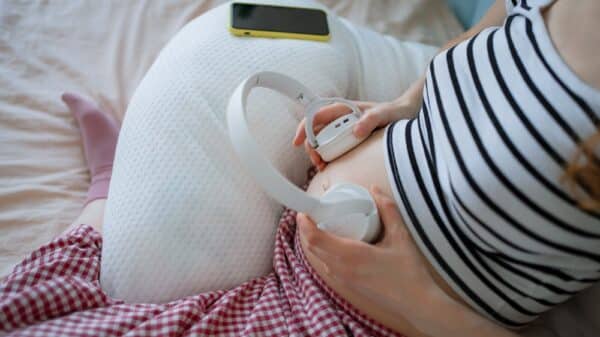
A baby’s brain is a sophisticated pattern-recognition machine. From the womb, they are used to the rhythmic sounds of a heartbeat and blood flow—noises that are surprisingly loud. Total silence is actually unnatural to them. When you go about your day—clinking dishes, murmuring in the next room, or even running the vacuum—you are providing a soundtrack of safety.
These predictable, rhythmic household noises signal to the baby that life is continuing as normal and that they are safe. It’s the “unpredictable” noises—the sudden shout or the sharp ring of a doorbell—that cause wakefulness. By normalizing a baseline of moderate activity, those sudden sounds become less jarring by comparison.
Implementing a Gentle Noise Normalization Plan
If your household has already fallen into the “silent nap” trap, don’t worry. You can transition toward a more resilient routine over the course of a week. This works best when your child is already settled into a predictable nap schedule.
Day 1–2: Setting the Foundation
The goal for the first 48 hours is to stop the “shushing” culture. Perform your usual pre-nap ritual, but don’t turn off the world. Use a white noise machine placed across the room to provide a steady floor of sound. Allow the rest of the house to function at a “library-plus” level—normal conversation, light kitchen activity, and standard movement. If you feel the urge to tiptoe, remind yourself that you are helping your child learn a vital skill.
Day 3–4: Adding Predictable Sounds
Once the baseline is established, introduce intentional, steady noise. About ten minutes after your child has fallen asleep, perform a task that creates a rhythmic sound, such as folding laundry near the nursery or running a faucet. If the child stirs, wait a moment. Often, they will “track” the sound and drift back off once their brain categorizes it as safe. If they wake fully, simply try again during the next nap with a slightly lower volume.
Day 5–6: Introducing More Activity
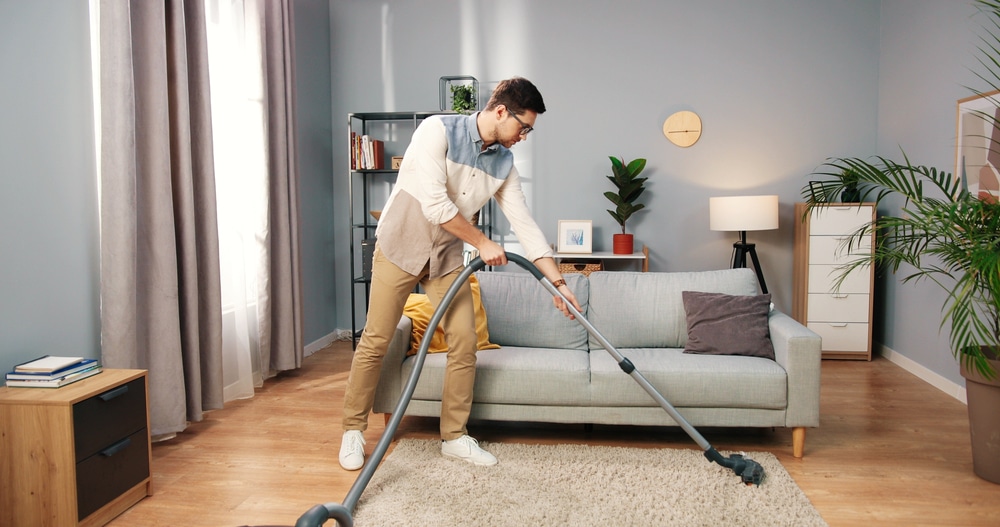
Now, move toward more “active” household sounds. This might mean vacuuming a room two doors down or having a conversation in the hallway. The key here is consistency. You aren’t trying to startle them; you are showing them that the world doesn’t stop just because they are resting. If they wake, offer a quick, boring reassurance and try to settle them back down without removing the noise source.
Day 7: Combining Routine Activities
By day seven, your goal is to live your life normally. You should be able to wash dishes, watch TV at a reasonable volume, and talk to your partner without fear. The nursery remains a calm space, but the rest of the home feels alive.
Adjusting for Life’s Messy Moments
It is important to remember that sleep resilience isn’t a “one and done” achievement. There will be regressions. If your child is teething, fighting a fever, or hitting a major developmental milestone (like crawling), their nervous system is already taxed. During these times, it is perfectly okay to scale back the noise and provide a quieter, more controlled environment. Once the “storm” passes, you can return to your normal household hum.
Seeking Professional Guidance
While most children can adapt to moderate noise, some may have sensory processing sensitivities or underlying sleep architecture issues that make any noise a significant barrier. If your child consistently wakes up screaming at the slightest sound despite a gradual introduction, or if their short naps are leading to extreme nighttime wakefulness, consulting a pediatric sleep specialist can help determine if there’s a more specific need at play.
Frequently Asked Questions
Will noise make my baby a light sleeper?
Actually, the opposite is usually true. Children who are raised in total silence often become “hyper-vigilant” sleepers. Introducing controlled, moderate noise helps them become deeper sleepers who can ignore environmental distractions.
How loud is “too loud”?
Think of “coffee shop” levels. You want the environment to be active but not chaotic. Avoid high-pitched, jarring noises like whistles or alarms, which are more likely to trigger a wake response than the low-frequency hum of a dishwasher.
What if my child’s naps are already fragile?
Start very slowly. You might only introduce “normal noise” for the first ten minutes of a nap and then keep the rest quiet, gradually extending the duration of the noise as the days progress.
Do I have to vacuum every nap forever?
No. The “vacuum method” is a training tool to help the brain habituate. Once your child is used to the general sounds of the home, you don’t need to perform specific chores—you just need to stop avoiding them.
Closing Thoughts
Parenthood is challenging enough without feeling like a prisoner to a nap schedule. By fostering sleep resilience, you are creating a more flexible lifestyle for your entire family. A home that hums with life is a sign of a healthy environment, and teaching your child to rest amidst that hum is a practical, long-term win for everyone. You don’t have to tiptoe anymore; let the sounds of your home be the lullaby that tells your child they are safe and sound.