



















In the journey of motherhood, finding ways to manage emotional health and daily stress is a priority for many. When exploring natural options, you will often encounter two distinct categories: homeopathic remedies and herbal supplements. While both are marketed toward enhancing emotional well-being, they are fundamentally different in their preparation, active components, and scientific backing. Understanding these distinctions is vital for making safe, informed choices for your health and your family.
Understanding the Basics of Homeopathic Mood Remedies
Homeopathy is a system of alternative medicine founded on two core principles. The first is the “law of similars,” which suggests that a substance that triggers specific symptoms in a healthy person can, in tiny amounts, help treat a person experiencing similar symptoms. The second principle involves “potentization,” a process where a substance is repeatedly diluted and vigorously shaken. Proponents believe this process enhances the healing properties of the ingredient.
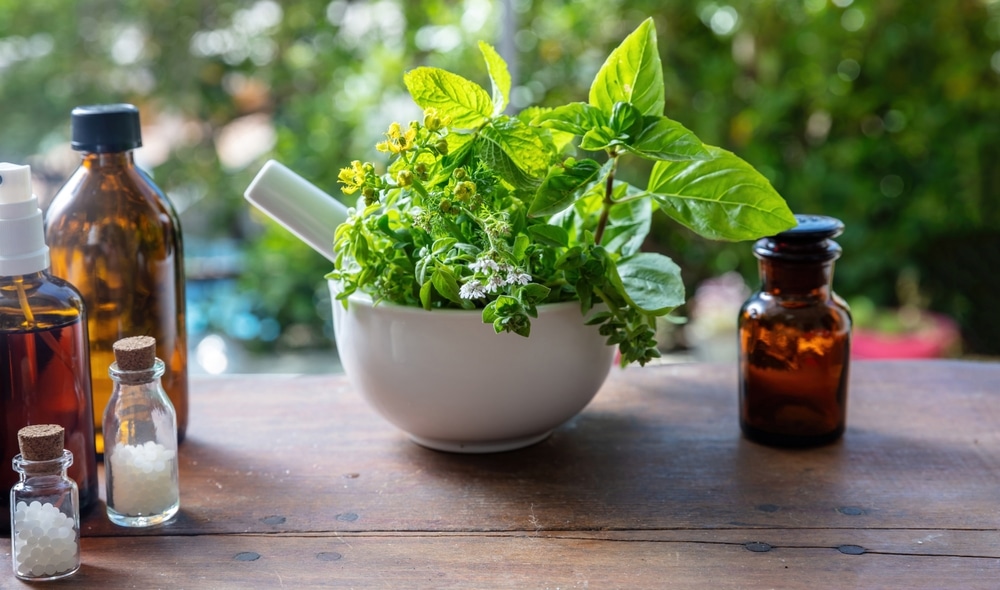
Homeopathic products for mood are often used to address temporary feelings of restlessness, nervous tension, or mild emotional shifts. These remedies are available in various forms, including oral sprays, tablets, and pellets. However, because the dilution process is so extreme, many homeopathic preparations contain little to no detectable molecules of the original plant or mineral source. This lack of active concentration is why medical organizations, such as the NHS, note that there is no high-quality scientific evidence to prove homeopathy is effective for treating health conditions.
Defining Herbal Supplements for Emotional Support
Unlike homeopathy, herbal supplements are derived directly from plant materials—including leaves, roots, flowers, and extracts—and contain measurable amounts of active biological compounds. These compounds are what interact with the body’s systems to produce an effect. Herbalism relies on the chemical properties of the plant itself rather than a process of extreme dilution.
Common botanical ingredients are frequently studied for their impact on mood. For instance, St. John’s wort has been widely researched regarding its effects on mild to moderate depression. However, the efficacy of herbs can vary significantly based on the quality of the extract and the individual using them. It is important to remember that “natural” is not synonymous with “harmless.” Because herbal supplements contain active ingredients, they can cause side effects and interact with other medications.
Distinguishing Between Homeopathy and Herbalism: A Direct Comparison
While they may sit side-by-side on a pharmacy shelf, the differences between these two approaches are significant:
- Composition and Strength: Herbal supplements contain measurable quantities of plant extracts. Homeopathic products are typically so diluted that the original substance is no longer present in a detectable amount.
- Evidence Base: While some herbs have undergone clinical trials with varying results, homeopathy lacks a reliable body of scientific evidence to support its use as a clinical treatment.
- Potential Risks: Because herbal products are biologically active, they carry a higher risk of side effects. Homeopathic products are generally considered low-risk due to their dilution, but concerns remain regarding manufacturing quality and the potential for delaying effective medical treatment.
- Drug Interactions: Many herbs can interfere with prescription medications. While homeopathic remedies are less likely to cause chemical interactions due to their dilution, some may contain alcohol or other carriers that require careful label checking.
Addressing Stress and Mood Shifts with Natural Approaches
Life’s transitions—whether balancing a career, parenting, or significant lifestyle changes—can lead to occasional stress and emotional fatigue. Many individuals turn to complementary products as part of a broader wellness strategy. However, these products are most effective when viewed as part of a holistic approach rather than a quick fix.
For temporary stressors, such as the jitters before a major event, simple strategies often provide the best support. Deep breathing exercises, consistent sleep hygiene, and adequate preparation can help stabilize the nervous system naturally. If emotional challenges like persistent sadness, intense irritability, or anxiety begin to interfere with your daily life or family relationships, it is essential to consult a healthcare provider to explore evidence-based treatments.
Crucial Considerations for Using Mood-Enhancing Products Safely
Before adding any supplement to your routine, it is vital to perform due diligence. Not all products are created equal, and labeling can sometimes be vague. Look for products that clearly list all ingredients and dosages, and avoid those that make sweeping, unverified claims about “curing” emotional disorders.
Safety should always come first, particularly regarding drug interactions. For example, the National Center for Complementary and Integrative Health (NCCIH) warns that St. John’s wort can significantly reduce the effectiveness of many medications, including birth control pills and certain antidepressants. If you are pregnant, breastfeeding, or managing a chronic health condition, always speak with a doctor or pharmacist before starting a new herbal or homeopathic regimen.
The Impact of Lifestyle Choices on Mental Resilience
Foundational health habits often serve as the most reliable support for emotional well-being. Regular physical activity, a diet rich in whole foods, and maintaining social connections are proven ways to manage stress. Even small shifts—like a daily walk outdoors or setting boundaries with digital screens in the evening—can improve your ability to cope with the pressures of motherhood.
While natural products are a popular topic, they should not replace professional mental health care. If you find that your mood remains low for several weeks or if anxiety feels unmanageable, seek support from a therapist or physician. Prioritizing your mental health with proven strategies ensures you have the resilience needed for both yourself and your family.
Answers to Common Questions on Natural Mood Care
Are homeopathic remedies and herbal supplements the same thing?
No. They are distinct practices. Homeopathy is based on extreme dilution and the “like treats like” principle, while herbal supplements contain measurable amounts of active plant compounds.
Do herbal products actually help improve mood?
Research suggests that certain herbs may help with specific symptoms, but results are not guaranteed and vary by individual. Some herbs also carry risks of significant interactions with prescription drugs.
Is there scientific proof that homeopathy treats anxiety?
There is currently no high-quality, reliable scientific evidence to support the use of homeopathic products as an effective treatment for anxiety disorders.
Can I safely take herbal supplements with my prescription antidepressants?
You should never combine these without professional medical advice. Some herbs, particularly St. John’s wort, can cause dangerous interactions when taken alongside antidepressants.
Summary of Key Takeaways
When navigating the world of natural mood support, the most important tool is education. Homeopathy and herbalism offer very different approaches; the former relies on highly diluted substances with minimal scientific backing, while the latter utilizes active plant extracts that can have powerful effects on the body. For mothers looking to support their emotional health, the safest path involves consulting healthcare professionals, prioritizing evidence-based lifestyle habits, and carefully vetting any supplement for potential drug interactions and safety concerns.