



















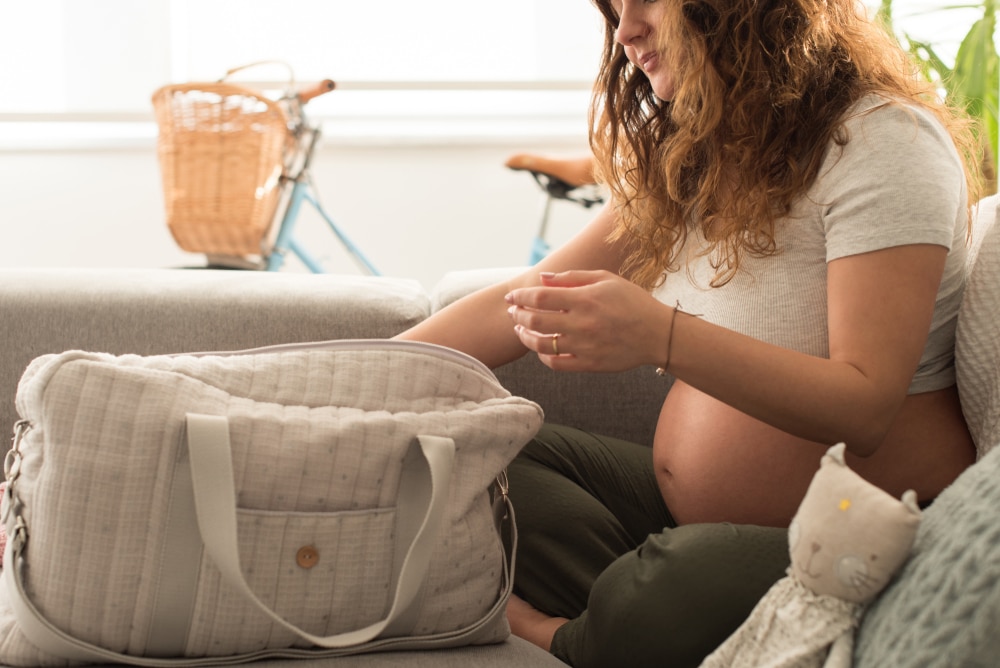
As you approach your due date, the anticipation of meeting your little one often turns toward practical preparation. While most birth centers provide the bare essentials, many new parents prefer bringing their own supplies to ensure comfort and consistency with the brands they plan to use at home. Organizing your newborn’s bag a few weeks early can significantly reduce last-minute stress, allowing you to focus entirely on the labor and delivery process.
Experts in neonatal care suggest that the goal of your hospital bag should be to minimize friction during your stay. Catherine Ruhl, CNM, MS, a specialist in women’s health programs, advises that whether you prefer a minimalist approach or want to be prepared for every scenario, it is helpful to have a support person take home unnecessary items the day before discharge. This keeps your space tidy and makes the final exit with your baby much smoother.
Essential Nail Care Tools
Many parents are surprised to find that newborns are often born with surprisingly long, sharp fingernails. Because their skin is so delicate, babies can easily scratch their faces or your skin during skin-to-skin contact. Packing a pair of dedicated baby nail clippers or a gentle emery board allows you to trim these sharp edges early on. If you feel nervous about clipping those tiny nails for the first time, don’t hesitate to ask a postpartum nurse for a demonstration or assistance.
Diapering Supplies and Gentle Wipes
While hospitals are well-stocked with standard diapers, the wipes provided are sometimes dry and require manual wetting, which can be cumbersome during a middle-of-the-night change. Bringing your own pre-moistened, sensitive-skin wipes can make cleanups much faster. Additionally, if you have a preference for specific materials—such as organic cotton, chlorine-free, or cloth diapers—you should bring your own supply. It is also a smart move to pack both “newborn” and “size 1” diapers, as larger babies may outgrow the newborn size immediately.
Comfortable Outfits and Layering
While most people focus on the “going-home” outfit, your baby will also need comfortable clothing for their time in the recovery room. Soft, breathable sleepers with front zippers or snaps are ideal for easy access during frequent check-ups. When choosing a discharge outfit, pack a few different sizes to accommodate your baby’s birth weight and consider the current weather. While hospitals usually provide standard knit caps, they are often oversized and prone to sliding off; bringing a few of your own well-fitting beanies will keep your baby warm and cozy.
Cozy Blankets and Swaddles
The standard striped hospital blankets are functional, but they may not be the aesthetic you want for those first precious photographs. Bringing a soft, personal blanket adds a touch of home to your hospital room. If you find traditional swaddling with a square cloth difficult, consider packing a Velcro or zipper-style swaddle. These user-friendly alternatives can help your baby feel secure and sleep more soundly while you are still mastering the art of the perfect wrap.
Feeding Support and Gear
If you plan to breastfeed, your body provides most of what you need, but it is wise to be prepared for various scenarios. If you have a specific brand of organic formula you intend to use, bringing your own ensures your baby starts on the brand you prefer. Similarly, bringing the specific bottles you’ve chosen for home use allows the baby to get accustomed to the nipple shape early on. A nursing pillow, such as a Boppy, is also highly recommended to provide ergonomic support for your back and arms during both breast and bottle feeding sessions.
Multi-Purpose Nipple Cream
A high-quality lanolin-based cream is a versatile addition to any hospital bag. While primarily used to soothe and protect nipples during the initial days of breastfeeding, it is also safe for the baby. You can use a small amount to treat chapped lips or dry patches on your newborn’s cheeks, making it a dual-purpose essential for both mother and child.
Keepsakes and the Baby Book
The first few days of a baby’s life are a whirlwind, and many parents find they forget the small details quickly. Bringing your baby book allows you to record milestones and thoughts while they are fresh in your mind. Most hospitals will take ink footprints of your newborn; if you have your book ready, you can ask the nursing staff to place a set of prints directly onto your keepsake pages for a permanent memory.
Support for Mom’s Recovery and Comfort
A comfortable mother is better equipped to care for her newborn. One of the most frequent recommendations from seasoned parents is to bring your own pillow from home. Hospital pillows are often thin and covered in plastic, which can be uncomfortable during recovery. Using a brightly colored pillowcase will ensure your personal pillow doesn’t get mixed up with the hospital laundry. Additionally, labor and nursing can leave you incredibly hungry. Pack a variety of nutrient-dense snacks and your favorite coffee or tea to stay energized between hospital meals.
Final Preparation Tips Before Your Due Date
Streamlining your hospital bag ensures that the transition from the delivery room to your home is as seamless as possible. Focus on items that provide comfort, support your feeding choices, and make diaper changes efficient. It is always a good idea to call your hospital ahead of time to confirm what they provide by default so you can avoid overpacking. By having a well-organized bag ready by your door, you can head into your birth experience with the confidence that you have everything necessary to care for yourself and your new arrival.
Summary of Hospital Bag Essentials
Packing for a newborn is about balancing necessity with personal preference. By including specific grooming tools, preferred diapering brands, versatile clothing options, and comfort items for yourself, you create a nurturing environment for those first 48 hours. Remember that while the hospital provides the basics for survival, your curated bag provides the comfort and personal touch that turns a clinical room into a space for bonding. Proper preparation allows you to spend less time searching for supplies and more time enjoying the first moments of motherhood.