




















Expectant parents often look forward to ultrasounds as a special opportunity to glimpse their baby’s development. While routine medical scans are a staple of modern prenatal care, the rise of commercial keepsake videos and at-home heartbeat monitors has led many to wonder about the safety and necessity of these technologies. Navigating the differences between diagnostic procedures and recreational monitoring is essential for a healthy pregnancy.
How Fetal Doppler Technology Functions Compared to Standard Ultrasound
Traditional prenatal ultrasounds utilize high-frequency sound waves to create a visual representation of the fetus. These waves travel into the womb, reflect off the baby and internal structures, and are processed by a computer to generate real-time images. This allows clinicians to observe the baby’s anatomy and movement.
A fetal Doppler employs a similar technology but focuses on a different outcome. Rather than producing a picture, this handheld device detects the movement of blood cells within the baby’s heart and blood vessels. It converts this movement into an audible sound, allowing healthcare providers—and sometimes parents—to listen to the fetal heartbeat. While the underlying physics of sound waves is consistent between both devices, their diagnostic applications differ significantly.
The Safety Profile of Ultrasound Technology During Pregnancy
Diagnostic ultrasounds have been utilized in obstetrics for decades and maintain an excellent safety record when administered by qualified medical professionals. Unlike X-rays, ultrasound imaging does not involve ionizing radiation, which is a primary concern for developing tissue.
However, it is important to acknowledge that ultrasound waves carry energy that can cause minor biological effects, such as a slight increase in the temperature of body tissues. According to the U.S. Food and Drug Administration (FDA) and Health Canada, while there is no evidence of harm from standard medical scans, the technology should still be used judiciously. These health authorities advocate for the “medical benefit” rule: scans should only be performed when the clinical information gained outweighs any theoretical risks associated with tissue exposure.
Common Medical Applications for Prenatal Scans
Healthcare providers utilize ultrasounds at various stages of pregnancy to ensure both the parent and baby are progressing healthily. Common reasons for medical scans include:
- Pregnancy Confirmation and Dating: An early scan helps confirm a viable pregnancy and establishes an accurate gestational age, which is crucial for timing future tests and milestones.
- Anatomical Screenings: Mid-pregnancy ultrasounds allow doctors to check the development of the baby’s organs, limbs, and overall structure.
- Growth and Position Monitoring: In the later stages, scans can verify that the baby is growing at a steady rate and is positioned correctly for delivery.
- Placental and Fluid Assessment: Doctors use imaging to evaluate the health of the placenta and ensure there is an appropriate amount of amniotic fluid.
The frequency of these scans depends on an individual’s medical history and the specific needs of the pregnancy.
Adhering to the ALARA Principle in Obstetric Care
To ensure the highest standard of safety, the American Institute of Ultrasound in Medicine (AIUM) promotes the ALARA principle. ALARA is an acronym for “As Low As Reasonably Achievable.”
This guideline dictates that medical professionals should use the lowest possible energy settings and the shortest duration necessary to obtain the required diagnostic information. Because Doppler modes often require a higher acoustic output than standard 2D imaging, clinicians are particularly mindful of time and intensity when monitoring the heartbeat. This disciplined approach minimizes fetal exposure while still prioritizing maternal and fetal health.
Safety Perspectives on Commercial 3D, 4D, and Keepsake Ultrasounds
The popularity of “keepsake” ultrasound businesses—which offer 3D still images or 4D moving videos for entertainment—has grown significantly. While these detailed views of a baby’s face or movements are enticing, medical organizations like the FDA and Health Canada generally discourage them.
The primary concern is that these sessions are non-medical and may expose the fetus to ultrasound energy for extended periods purely for aesthetic reasons. Furthermore, the technicians at these facilities may not have the same rigorous diagnostic training as those in a clinical setting, meaning they might miss potential issues or, conversely, cause unnecessary alarm. Most experts recommend that if you desire a photo of your baby, you should ask your medical provider if a capture can be taken during a scheduled diagnostic appointment.
Limitations and Concerns Regarding At-Home Fetal Doppler Use
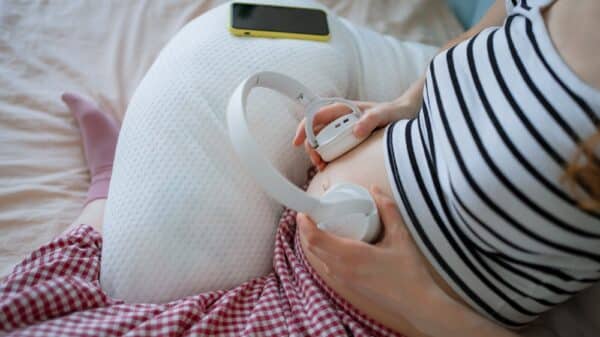
At-home fetal Dopplers are marketed as a way for parents to bond with their baby and find peace of mind. However, medical professionals often caution against their use for several reasons. Without proper medical training, it is easy to mistake the sound of the mother’s own pulse or the flow of blood through the placenta for the baby’s heartbeat.
This can lead to a dangerous “false reassurance,” where a parent may ignore signs of fetal distress because they believe they have heard a healthy heartbeat. Conversely, if a parent cannot find the heartbeat due to the baby’s position or equipment limitations, it can cause unnecessary anxiety. If there are any concerns regarding fetal movement or well-being, the safest course of action is to seek an evaluation from a trained healthcare professional immediately.
Summary of Best Practices for Fetal Monitoring
Ultrasound and Doppler technologies are invaluable tools in modern prenatal care, offering essential insights into a baby’s growth and health. When performed by trained clinicians following safety protocols like the ALARA principle, these procedures are considered safe and effective. To ensure the best outcomes, parents should rely on medically indicated scans and avoid the use of at-home monitors or commercial keepsake sessions that offer no clinical benefit. Always consult with your obstetrician or midwife regarding the appropriate timing and necessity of imaging during your pregnancy journey.