




















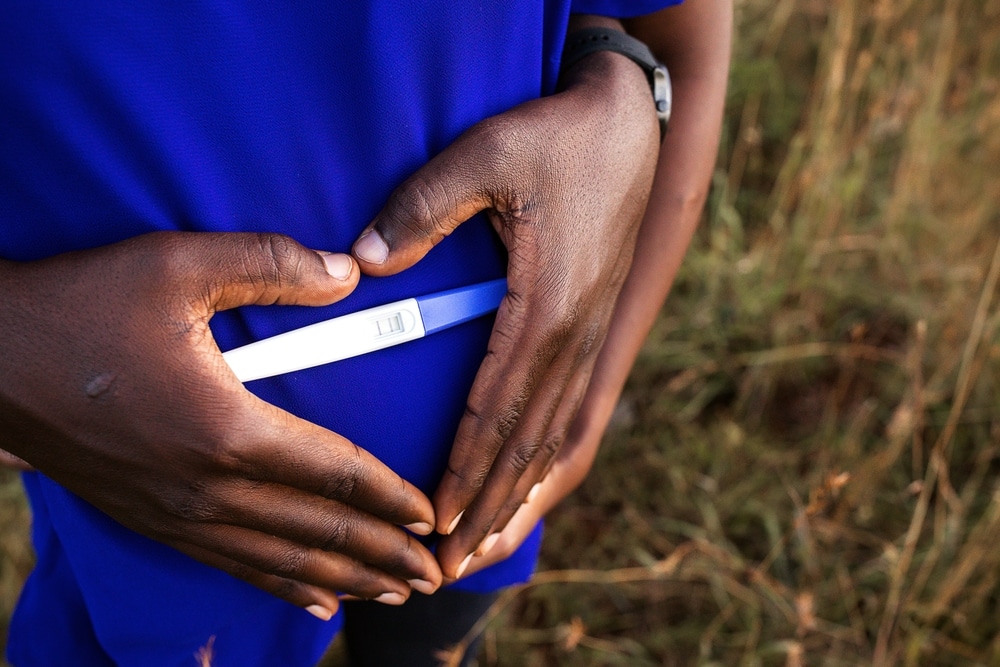
Prioritizing proper nutrition while expecting is one of the most impactful ways to support both your health and your baby’s development. While it is true that your body requires more nourishment during this time, the common phrase “eating for two” is a bit of a misconception. During the first trimester, most women do not actually need any additional calories. As the pregnancy progresses, energy needs typically increase by about 340 calories per day in the second trimester and roughly 450 calories per day in the third, though these figures can vary based on the individual.
The quality of these extra calories is what truly matters. Building a diet around nutrient-dense whole foods ensures you are getting essential components like protein, folate, iron, calcium, choline, iodine, and healthy fats. By focusing on a well-balanced eating plan, you can meet the increased demands of pregnancy and set a strong foundation for your child’s growth.
Essential Food Groups for a Balanced Prenatal Diet
To ensure a wide spectrum of nutrients, it is vital to incorporate diverse food groups into your daily routine. Aim for a colorful variety of vegetables and fruits, alongside whole grains, high-quality proteins, and dairy or fortified plant-based alternatives. These foods provide the vitamins and minerals that become increasingly important as your baby develops.
Some of the most beneficial choices include leafy greens, legumes like beans and lentils, eggs, lean meats, and various nuts and seeds. These staples are powerhouses for the specific nutrients needed during gestation. Additionally, seafood is an excellent source of omega-3 fatty acids, iodine, and protein. It is generally recommended that pregnant women consume 8 to 12 ounces of low-mercury seafood weekly. Safe and nutritious options include salmon, shrimp, trout, sardines, and canned light tuna.
Staying hydrated is equally important, so prioritize water as your primary beverage. When selecting snacks and meals, look for options that offer functional nutrition rather than “empty” calories that lack vitamins and minerals.
Understanding Caloric Needs and Nutritional Quality
The specific amount of food you need depends on factors like your activity level, your weight prior to pregnancy, and your current trimester. Rather than focusing on doubling your food intake, focus on making every bite count. You don’t need to obsessively track every calorie; instead, aim for generous helpings of vegetables and fruits, supplemented by whole grains and calcium-rich foods like cheese, milk, or yogurt.
Protein is a building block for your baby’s growth and can be found in poultry, lean meats, fish, tofu, and beans. For folate and iron, look to leafy greens and fortified cereals. Choline, which supports brain health, is found in abundance in eggs, meat, and dairy. For those following a vegetarian or vegan lifestyle, it is important to be intentional about sourcing these nutrients through plant-based staples like soy products, seeds, and lentils, though some may require additional guidance on supplementation.
While a healthy diet is the priority, most healthcare providers recommend a prenatal vitamin to fill any nutritional gaps. Folic acid is particularly critical in the early stages to help prevent neural tube defects. The CDC suggests that anyone who could become pregnant take 400 micrograms of folic acid daily. Always consult with your doctor to determine the right balance of iron, calcium, vitamin D, and other supplements for your specific needs.
Top Nutrient-Dense Foods to Support Pregnancy
There is no single “miracle” food that provides everything you need; rather, the best prenatal diet is one that is varied and rich in whole ingredients. Focusing your meals around the following items can help ensure you are meeting your nutritional goals:
- Leafy Greens: Excellent for folate and essential minerals.
- Legumes (Beans and Lentils): High in fiber, protein, iron, and folate.
- Eggs: A great source of high-quality protein and choline.
- Lean Proteins: Poultry and lean meats provide necessary iron.
- Low-Mercury Fish: Salmon and trout offer beneficial omega-3 fats.
- Dairy Products: Milk, yogurt, and cheese are primary sources of calcium.
- Whole Grains: Provide complex carbohydrates and fiber for sustained energy.
- Fresh Fruit: A natural source of vitamins and antioxidants.
- Nuts and Seeds: Offer healthy fats and essential minerals.
You can also optimize nutrient absorption through smart food pairings. For instance, consuming plant-based iron (non-heme iron) found in spinach or beans alongside vitamin C-rich foods like citrus or bell peppers can help your body absorb the iron more efficiently. The goal isn’t to achieve a perfect diet every single day, but to consistently choose nutrient-rich options.
Managing Portions and Comfort Throughout the Trimesters
Your appetite and ability to eat certain portions will likely change throughout your pregnancy. In the first trimester, morning sickness may make it difficult to maintain a standard eating schedule. Later on, as the baby takes up more space, you might find it uncomfortable to eat large meals. Planning your intake to accommodate these changes can help you stay nourished.
If you experience nausea, indigestion, or frequent heartburn, try eating smaller, more frequent meals and snacks throughout the day rather than three large ones. Keeping simple, healthy snacks on hand—such as hard-boiled eggs, yogurt, whole-grain crackers, or fruit—can make it easier to eat when you feel up to it.
In addition to solid food, maintaining hydration is vital. While water should be your go-to, it is important to limit drinks high in added sugars. Discuss your caffeine consumption with your healthcare provider to establish a safe daily limit. Finally, it is essential to avoid alcohol entirely, as there is no known safe amount or time to consume it during pregnancy.
Summary of Healthy Pregnancy Nutrition
Navigating nutrition during pregnancy is about focusing on quality over quantity. By prioritizing a variety of whole foods, staying hydrated, and adjusting your meal frequency to manage physical symptoms like nausea or heartburn, you can provide the best possible environment for your baby to grow. Remember to supplement your diet with a prenatal vitamin as recommended by your doctor and focus on consistent, nutrient-dense choices to support your well-being throughout this journey.