



















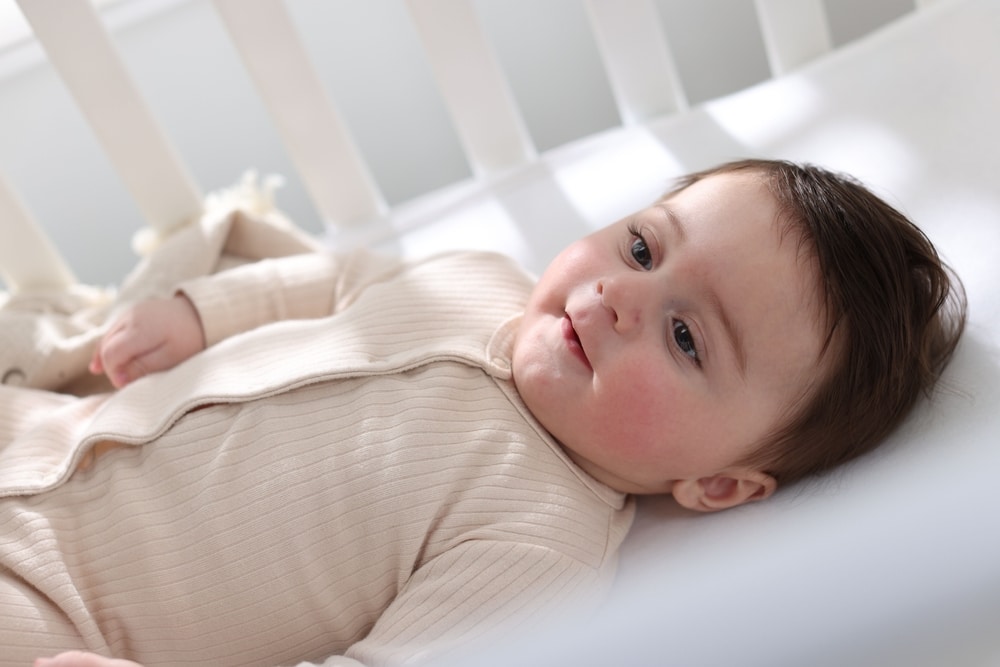
There is a specific exhaustion that only makes itself known at 4 a.m. in the dead of winter. The central heating shut off hours prior, the house sits in complete stillness, and a baby who fell asleep peacefully at 7 p.m. is now wide awake down the hallway.
For a long time, these nighttime awakenings were automatically blamed on hunger, teething, or developmental milestones—and occasionally, they were. However, a surprising number of these disruptions trace back to a much simpler culprit: the baby was simply cold. Not dangerously cold, but chilled enough to wake up and fuss about it.
Understanding the Chilly Early Morning Hours
Most residences reach their lowest temperatures during the pre-dawn hours. When a heating system runs on a programmed timer, it typically turns off around bedtime and remains off until morning. Consequently, nursery temperatures can plummet by several degrees between midnight and sunrise. This drop is especially noticeable in older houses, rooms featuring large windows, or spaces situated against exterior walls.
Adults manage these temperature shifts instinctively. We pull up an extra duvet, curl into a tighter position, or grab another blanket. Infants cannot do this, and for safety guidelines, duvets, pillows, and loose bedding must be kept out of the crib entirely. Therefore, whatever clothing they wear at bedtime is what they must rely on to get through the coldest phase of the night.
Decoding Baby Sleepwear Tog Ratings
This is where understanding tog ratings becomes essential. A tog measurement indicates how effectively a fabric retains warmth. Higher numbers represent sleep sacks or swaddles that trap more heat.
Typical infant sleep garments range from 0.2 to 3.5 tog. Lighter options suit warm rooms and summer conditions, while heavier ratings are meant for chilly environments. Crucially, tog selections should be based on the actual room temperature rather than the calendar season. A well-heated apartment in December might require a lighter tog than a drafty home in October.
The realization finally hit when it became clear that sleepwear togs had previously been chosen based on the evening temperature when the room was at its coziest, completely ignoring how cold the space would become by 4 a.m.
How to Monitor Nursery Temperatures
Investing in a reliable room thermometer is one of the most practical steps for any nursery. Organizations like The Lullaby Trust advise maintaining infant sleep spaces between 16 and 20°C (61 to 68°F), a range that often feels cooler than many parents initially expect.
It helps to check the temperature across multiple intervals:
- At bedtime, to determine the appropriate initial layers for your baby
- Before you go to sleep, to gauge how rapidly the room is losing heat
- During a night feeding, to experience the actual chill of the early morning hours
Monitoring these patterns over a few consecutive nights removes the guesswork.
Dressing Your Baby for All-Night Comfort
Once you understand how much the room cools down, you can dress your infant for the entirety of the night rather than just the initial hours. Practically, this involves:
- Selecting a sleep sack or swaddle tog geared toward the coldest part of the night
- Adjusting the underlying layers—such as a short-sleeved bodysuit, long-sleeved bodysuit, or a full sleeper—to fine-tune overall warmth
- Skipping indoor hats, as babies regulate their temperature and release excess heat through their heads
To determine if an infant is overheated or chilled, always check the back of the neck or the tummy instead of the hands or feet, which frequently feel cool even when the child is entirely comfortable. If the skin feels damp or sweaty, remove a layer. If the chest feels chilly, add one.
Recognizing Other Causes of Night Wakings
Naturally, not every early morning stirring relates to room temperature. Babies wake for numerous reasons, and some simply prefer an early start to the day. Nevertheless, if an infant sleeps soundly through the first half of the evening and becomes restless in the early morning hours, evaluating the room temperature is one of the quickest variables to check.
Achieving Restful Winter Nights
Addressing room temperature variations can transform winter nights into much calmer experiences. While it may not solve every sleep challenge, it drastically cuts down on those frustrating 4 a.m. wake-ups where nothing else seems to work. Shifting the focus from evening temperatures to pre-dawn conditions changes early morning routines entirely.
Ultimately, making this minor adjustment—learning how tog ratings interact with changing nighttime room temperatures—can mean the difference between persistent sleep disruptions and a baby who sleeps peacefully until morning.